

PULSE 2026 was not only a platform for learning and exposure but also an opportunity to validate innovation through competition. Among the many promising ideas…
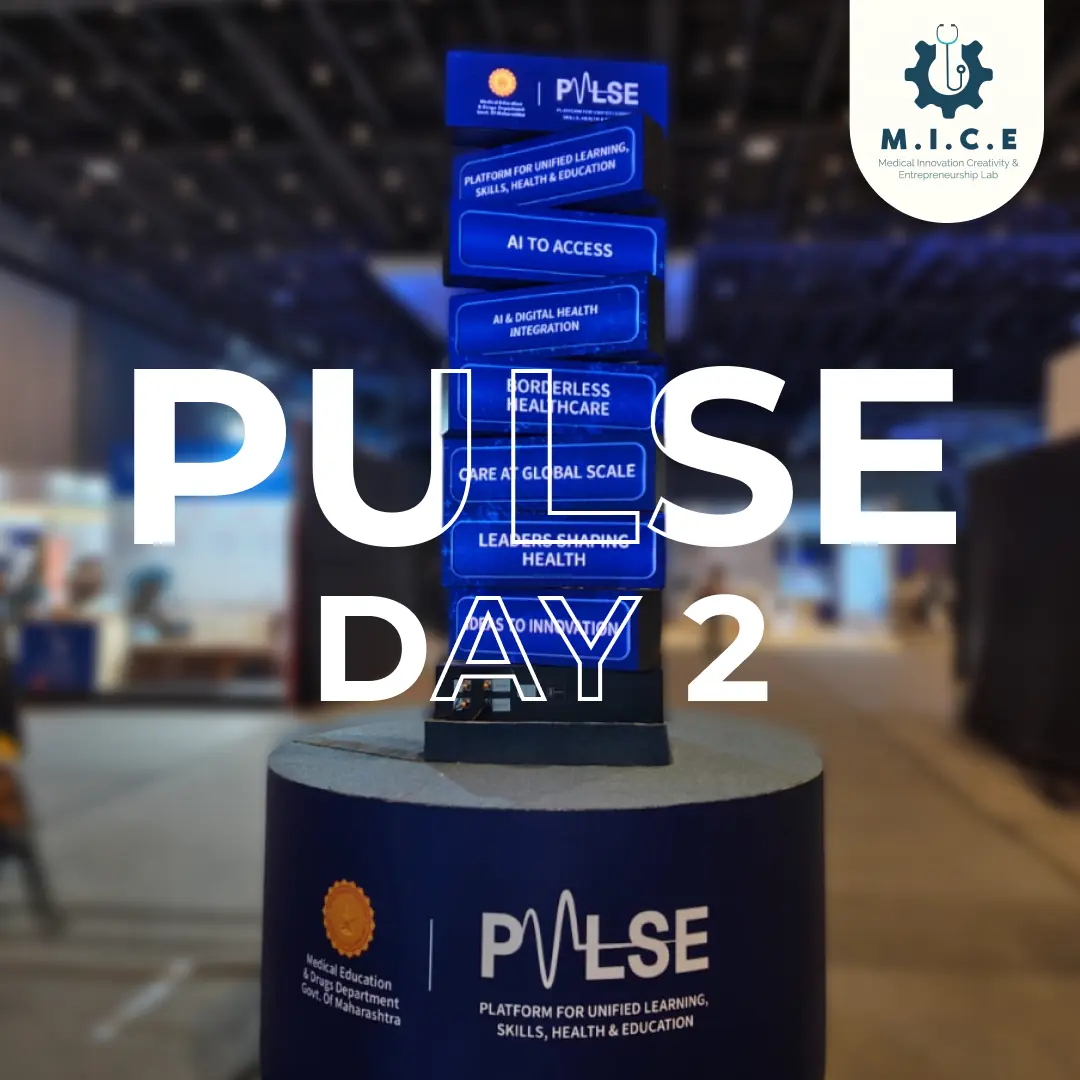
After a day focused on understanding the landscape of healthcare innovation, Day 2 at PULSE 2026 shifted towards experiential learning. It was less about listening…
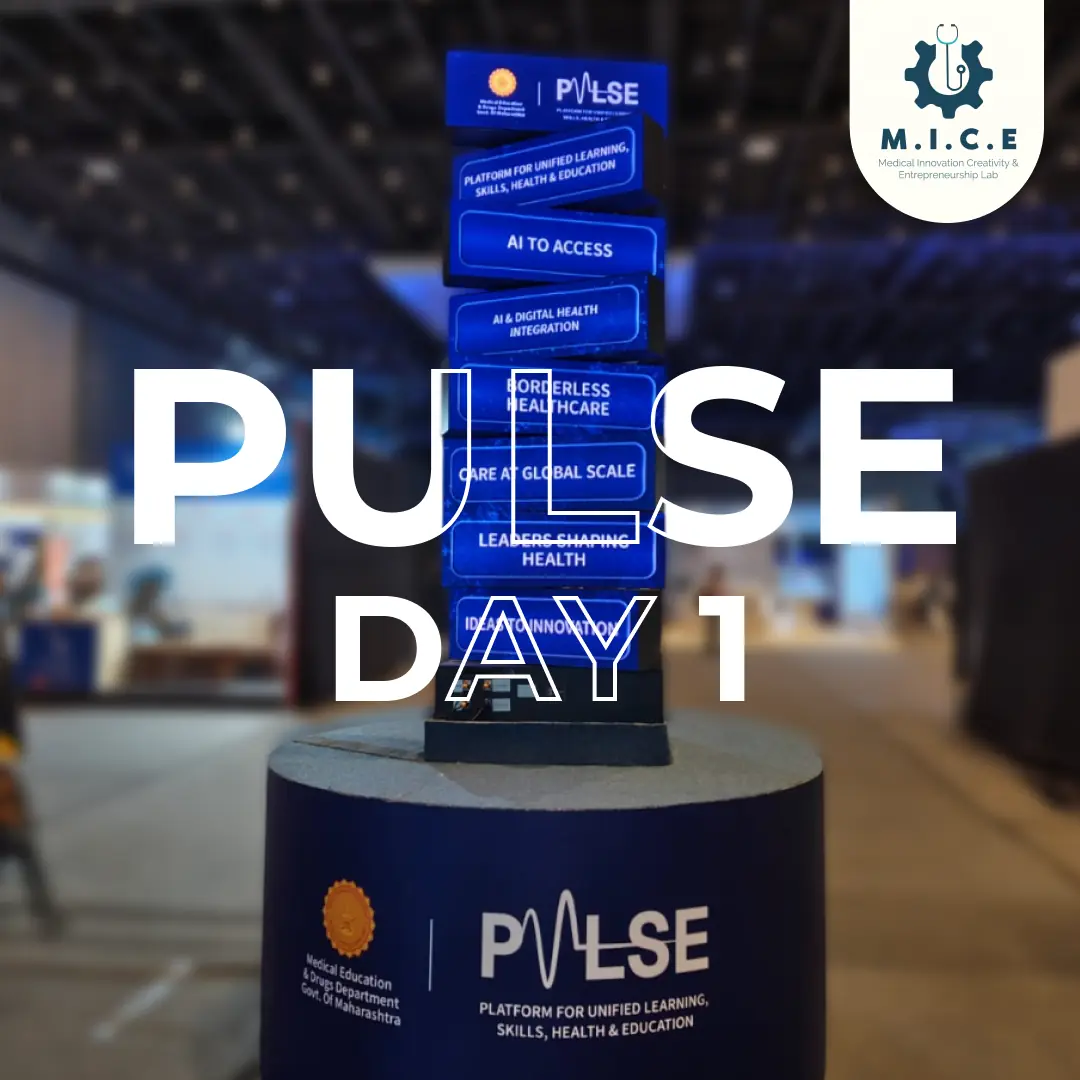
Day 1 of PULSE 2026 marked the transition from preparation to real-world exposure. After a week of internal discussions, ideation, and rapid iteration, this was…
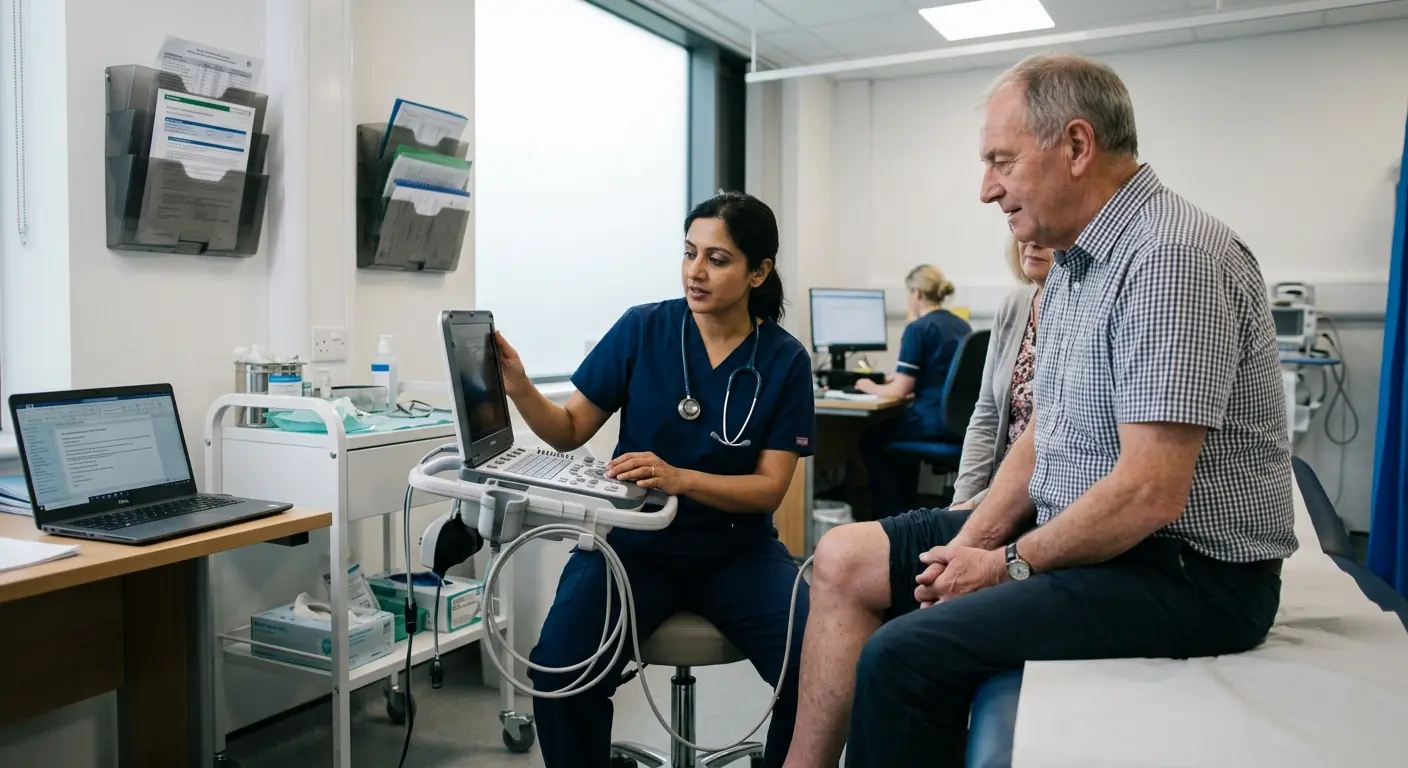
In medical device design, functionality alone is not enough. A device may be technically accurate, well-engineered, and compliant with regulations but if it is not…
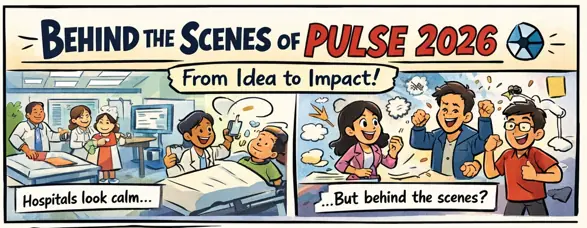
Hospitals and healthcare systems may appear structured and precise on the surface, but innovation within them often begins in moments of uncertainty, collaboration, and rapid…
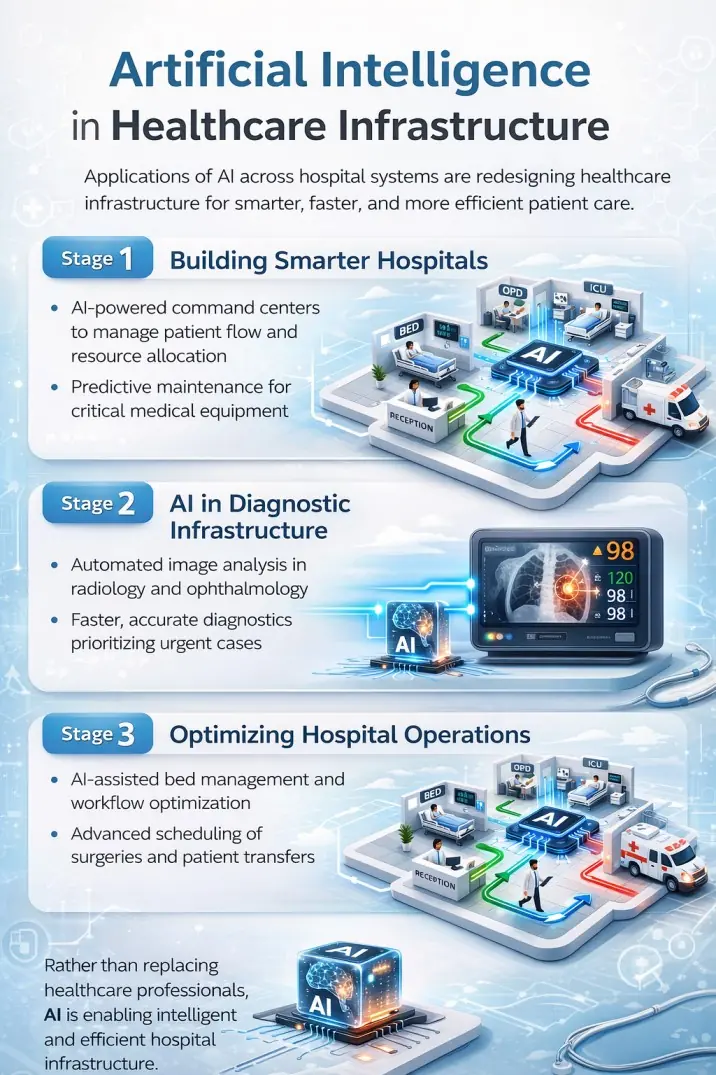
Artificial Intelligence in Healthcare Infrastructure: A Complete Guide to AI-Powered Smart Hospitals
Hospitals today are complex ecosystems. From emergency departments and diagnostic labs to patient wards and administrative systems, every function generates large volumes of data. Managing…
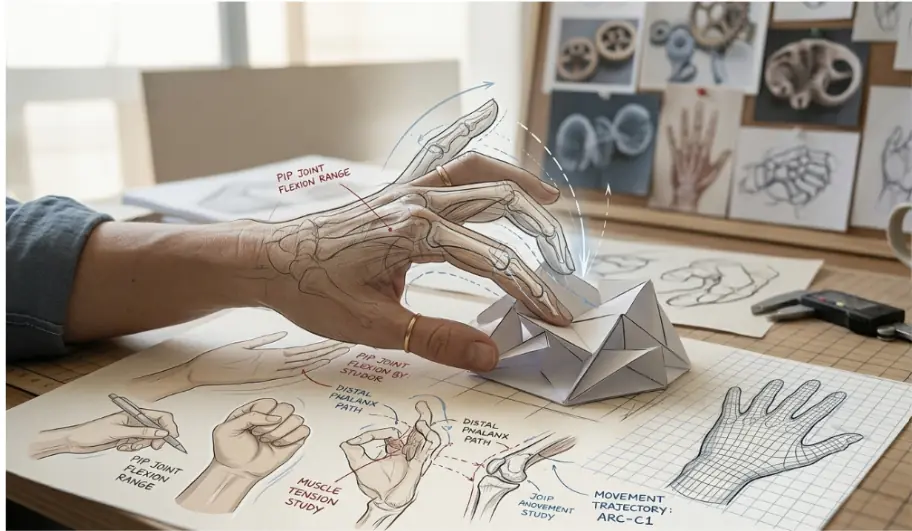
In healthcare design, solutions rarely begin with technology. They begin with observation. A simple movement like closing your hand into a fist is something most…
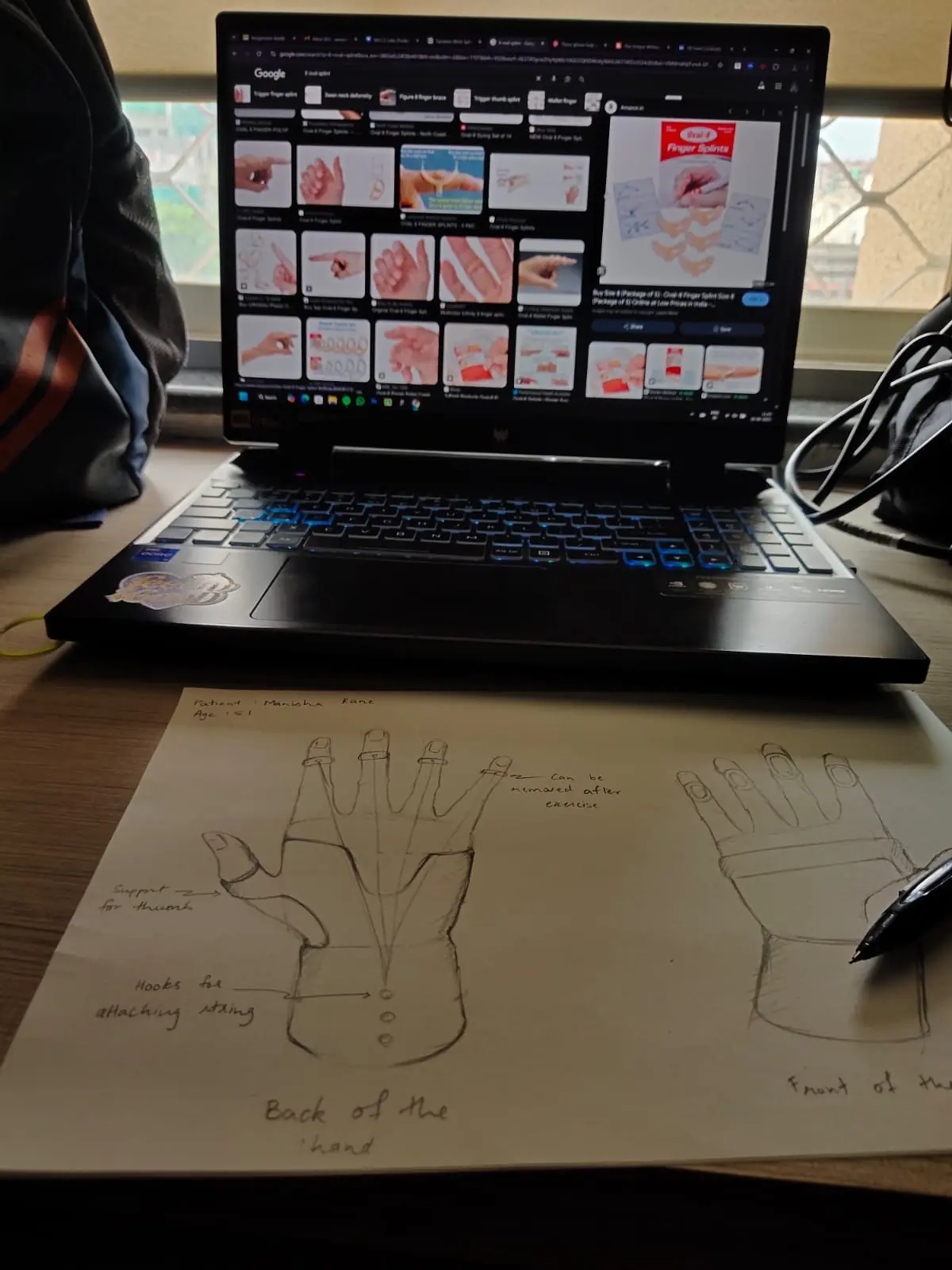
Most of us rarely think about the small movements our hands make every day. These everyday actions feel effortless, but they rely on something essential,…
Large hospitals are often complex ecosystems. Multiple buildings, specialized departments, diagnostic centers, laboratories, wards, and administrative offices are spread across large campuses. For patients and…
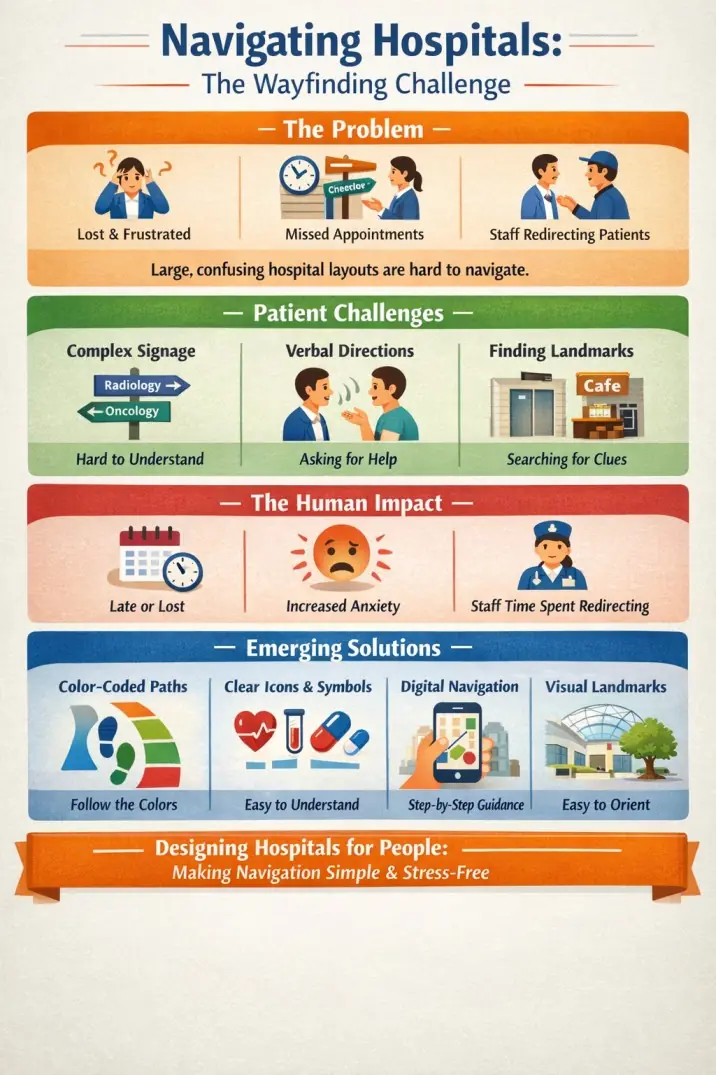
Hospitals are designed to deliver care, but navigating them can be surprisingly difficult. For many patients, especially those visiting large hospitals for the first time,…