
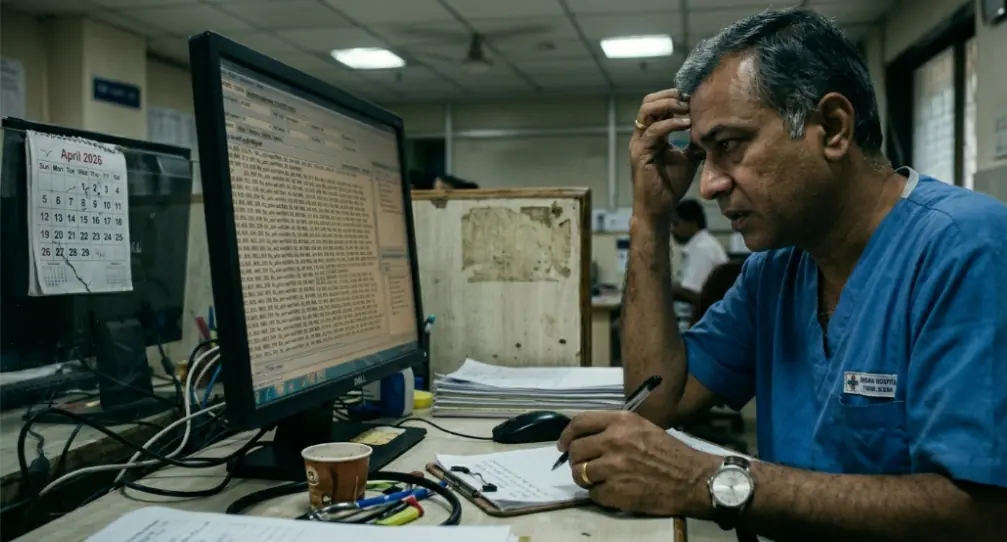
Designing for healthcare requires a deep understanding of context. Unlike many other environments, clinical settings are fast paced, high pressure, and demand constant attention. In…
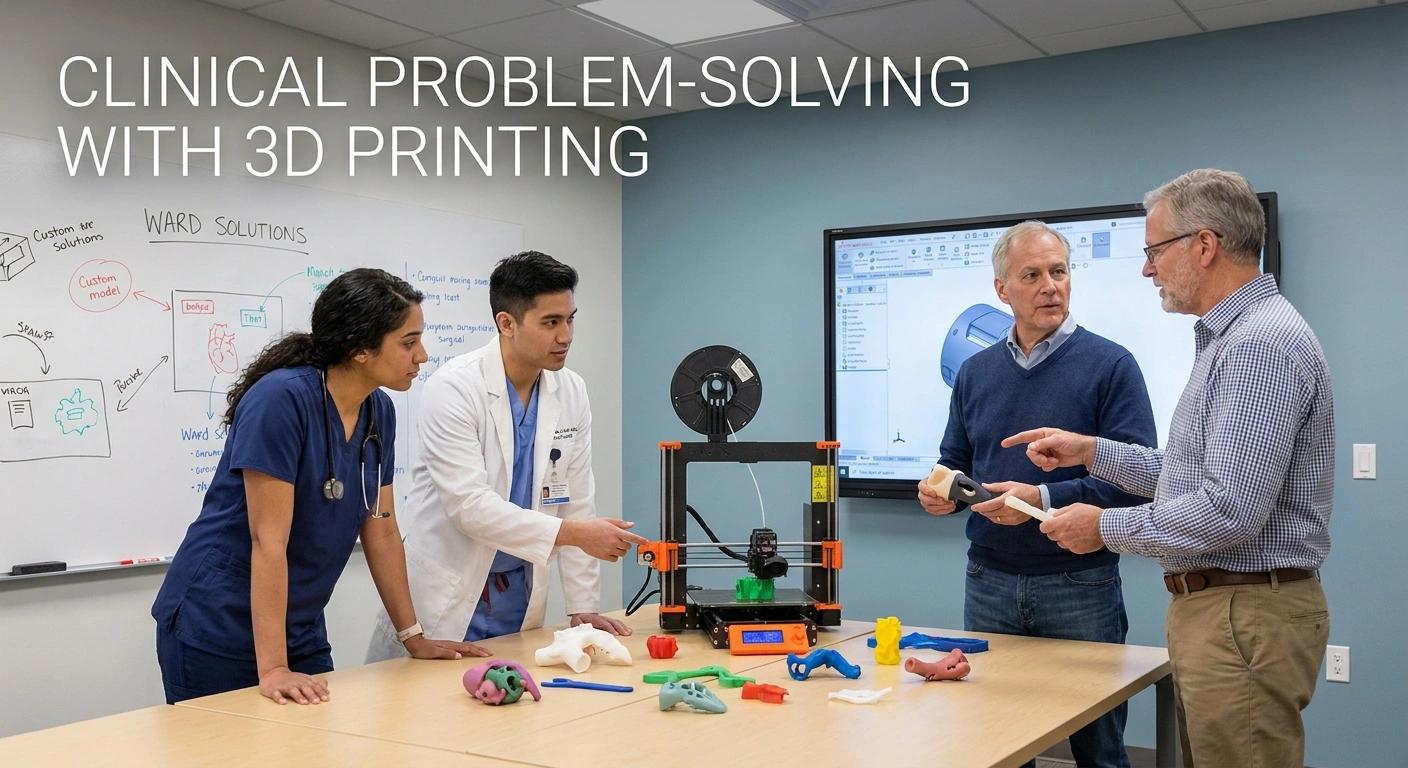
Imagine you’re on your surgery posting in a busy government hospital and the surgeon asks you to create a model of a complex fracture for…
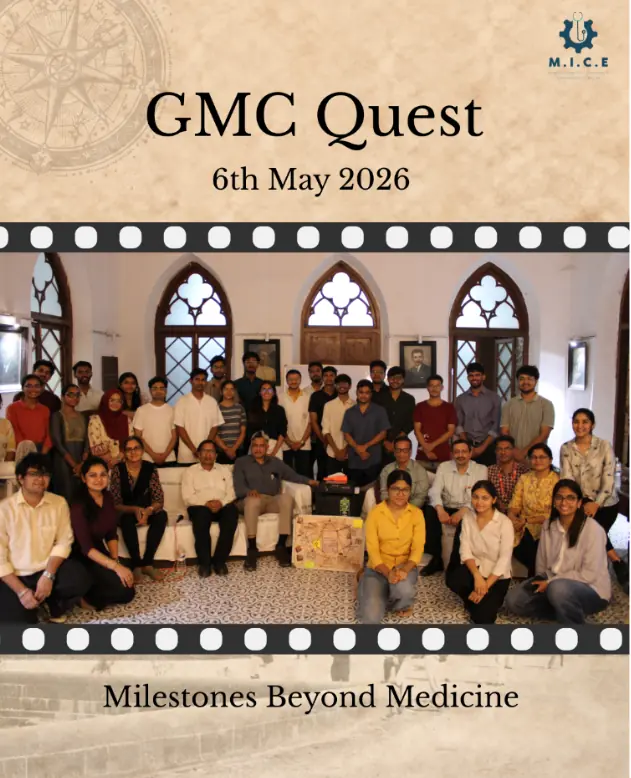
On an inspiring evening at Grant Government Medical College (GGMC), M.I.C.E. Labs (Medical Innovation Creativity and Entrepreneurship) hosted GMC Quest 2025: Milestones Beyond Medicine —…
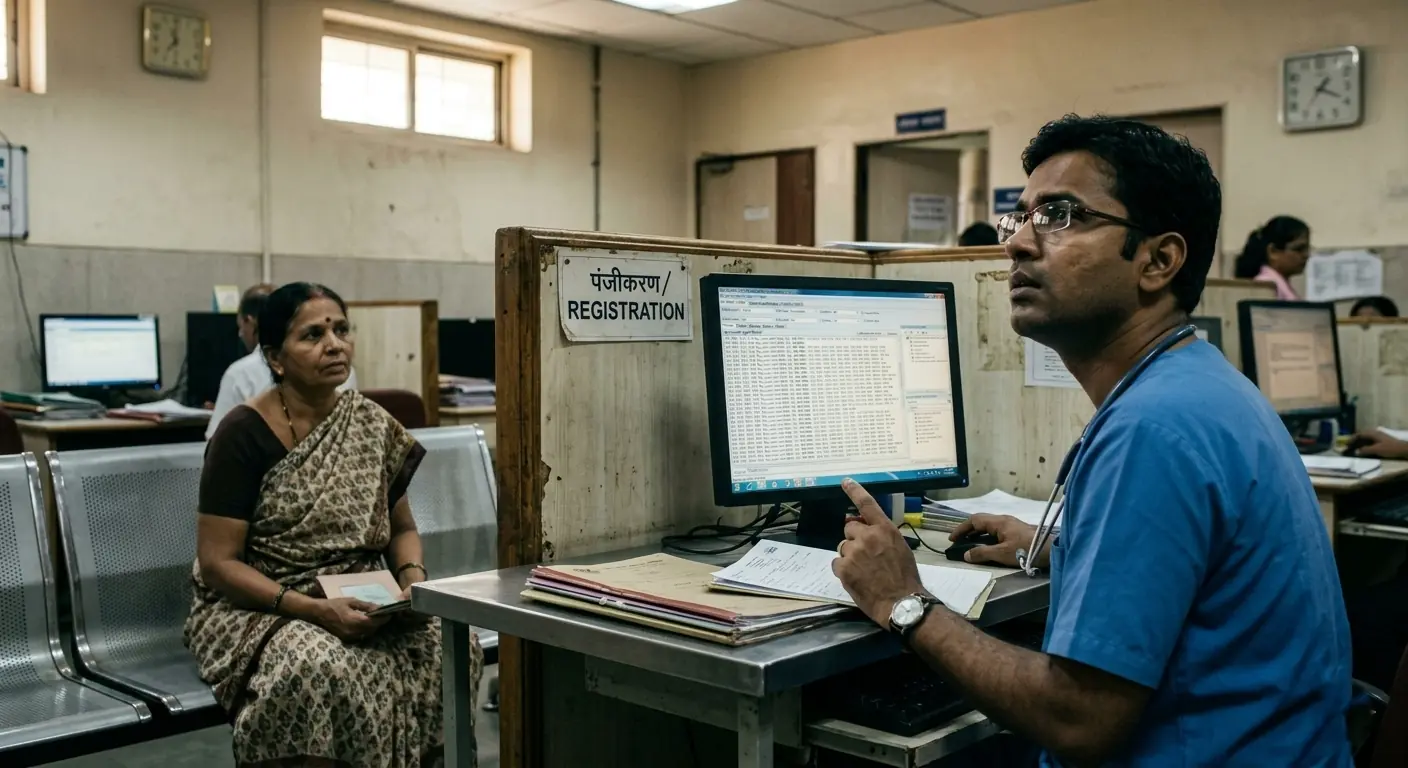
In a typical clinical day, things move quickly. Doctors are constantly switching between patient interactions, documentation, and administrative requirements. There isn’t much room for anything…
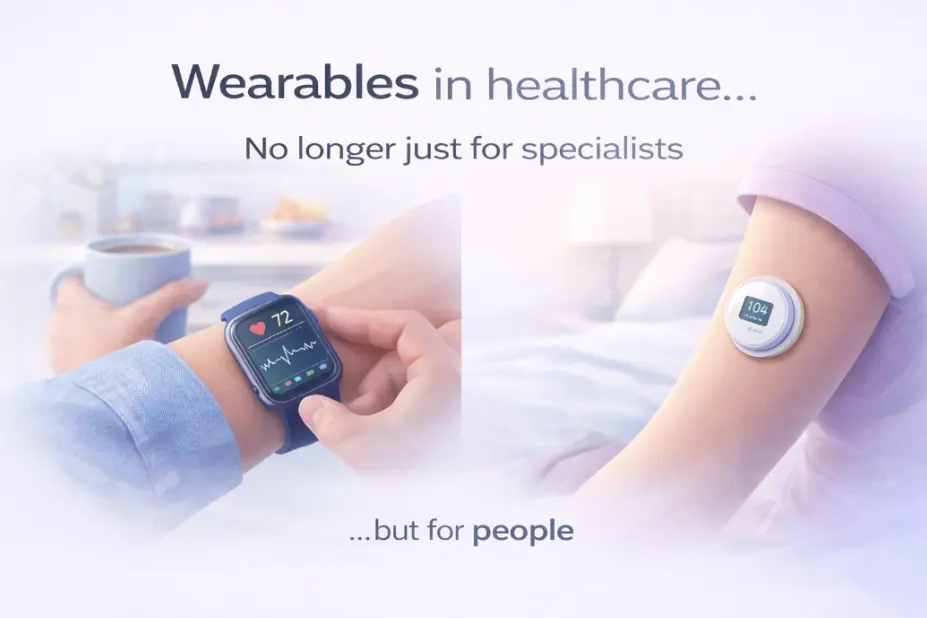
For decades, healthcare innovation has been driven by engineering — faster machines, more precise diagnostics, advanced treatments. But a quiet shift is underway.The future of…
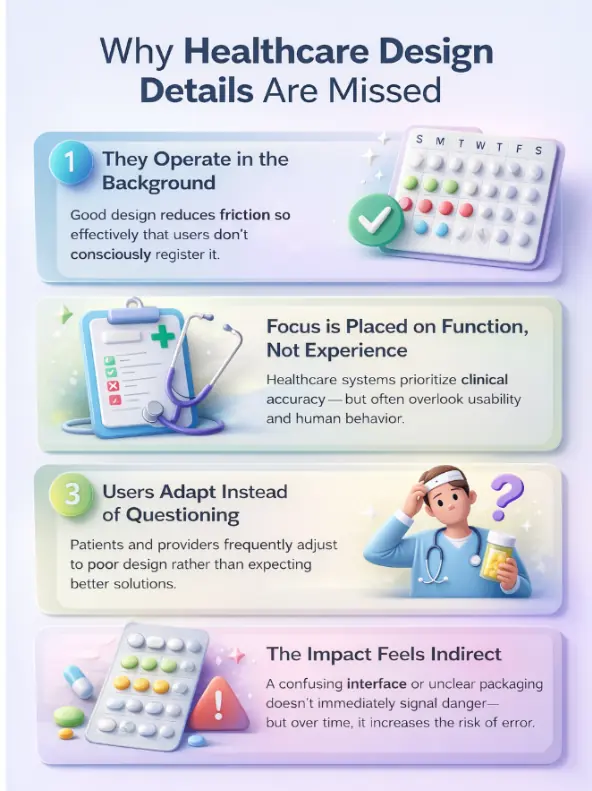
Most people don’t notice design in healthcare.Not because it isn’t there — but because when it works well, it becomes invisible.From the layout of a…
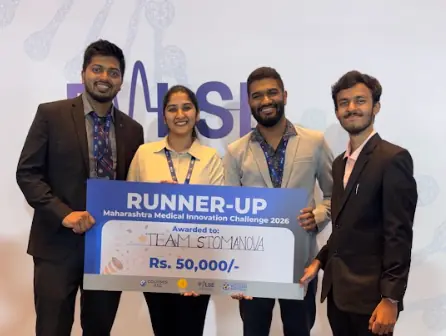
PULSE 2026 was not only a platform for learning and exposure but also an opportunity to validate innovation through competition. Among the many promising ideas…
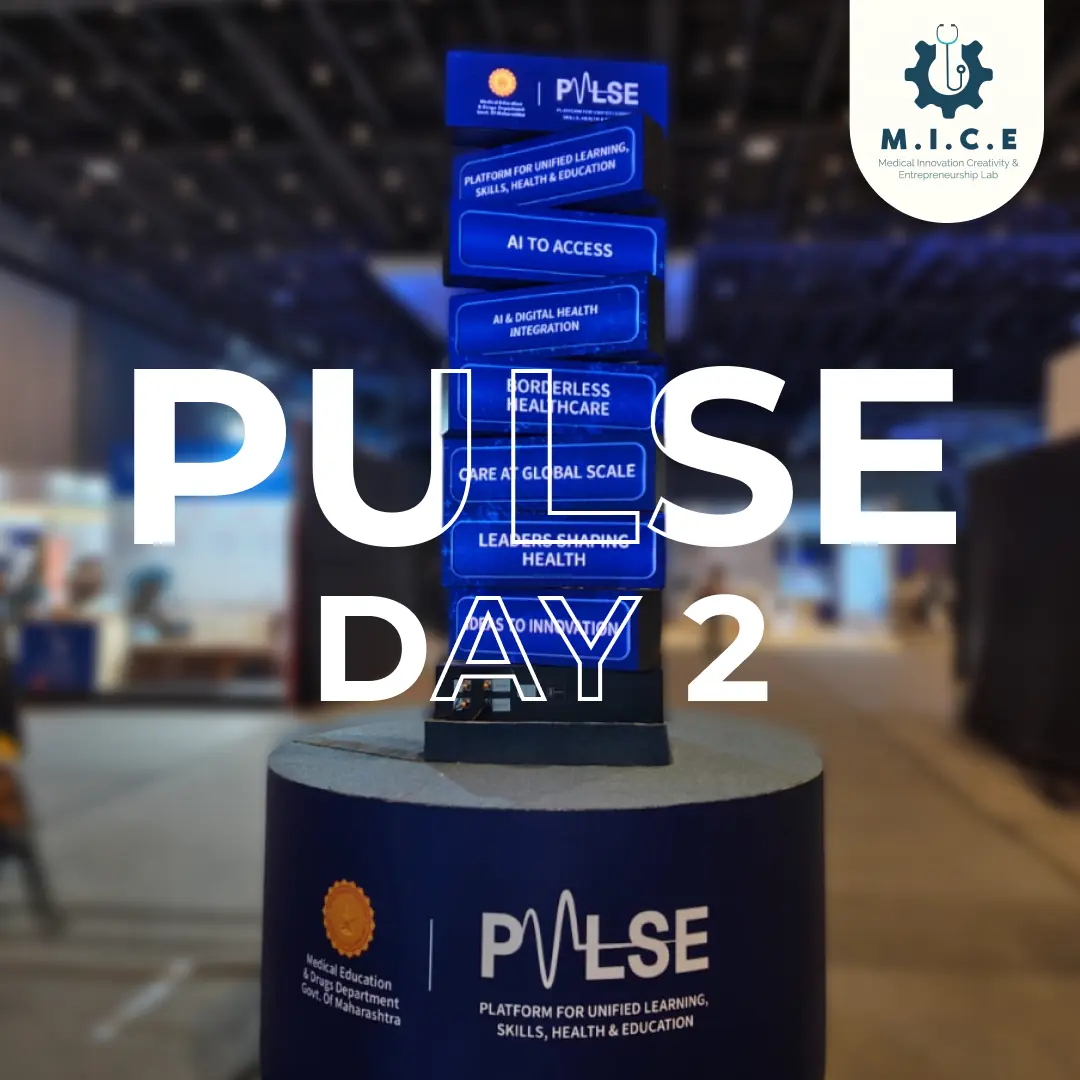
After a day focused on understanding the landscape of healthcare innovation, Day 2 at PULSE 2026 shifted towards experiential learning. It was less about listening…
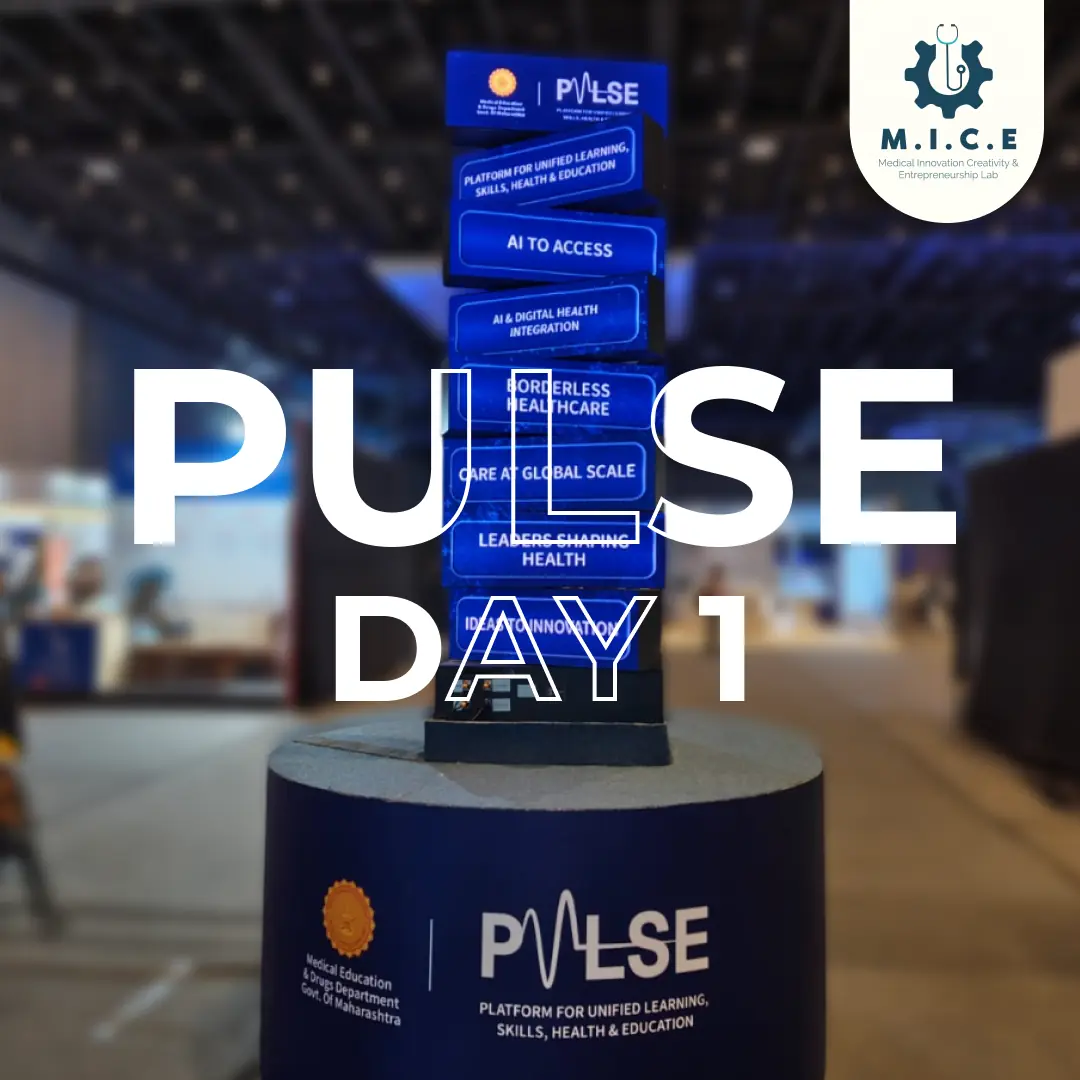
Day 1 of PULSE 2026 marked the transition from preparation to real-world exposure. After a week of internal discussions, ideation, and rapid iteration, this was…
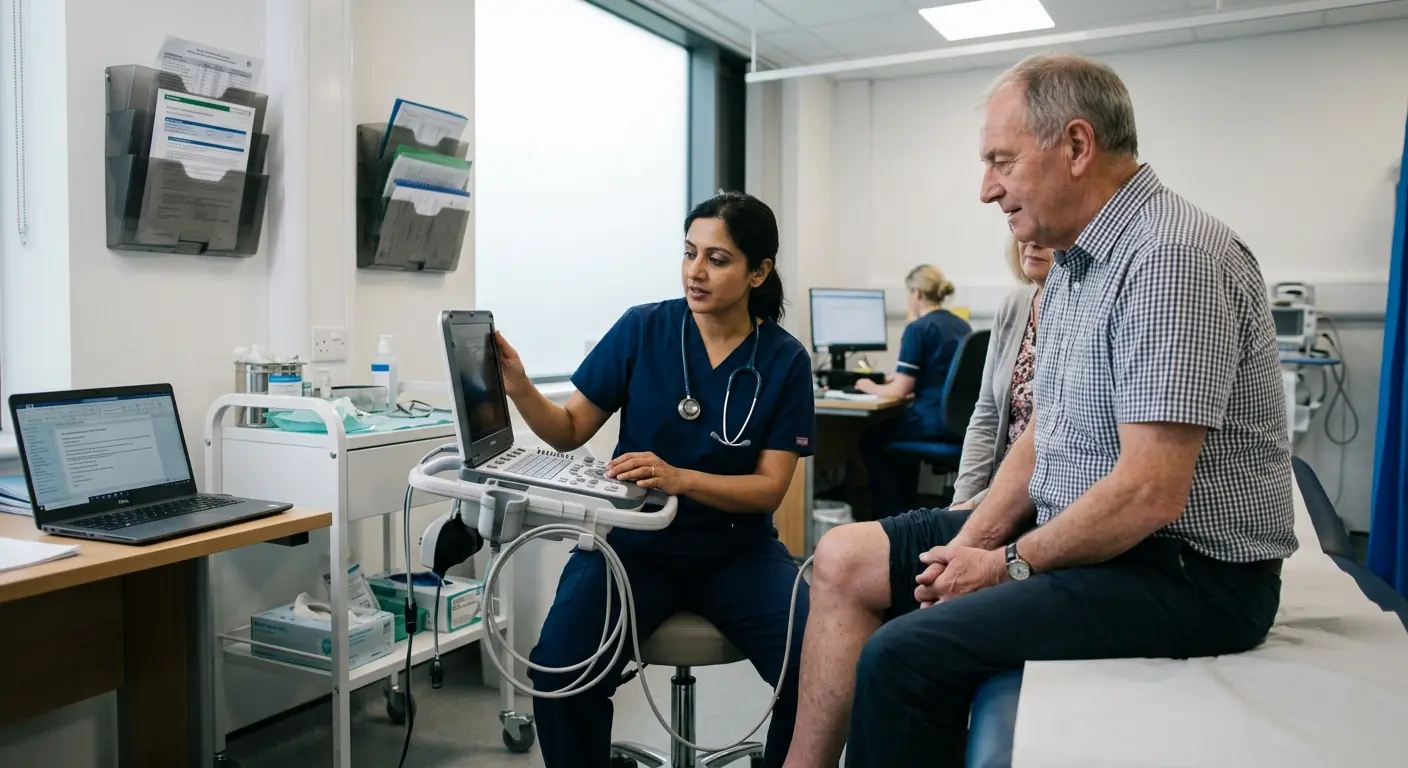
In medical device design, functionality alone is not enough. A device may be technically accurate, well-engineered, and compliant with regulations but if it is not…