
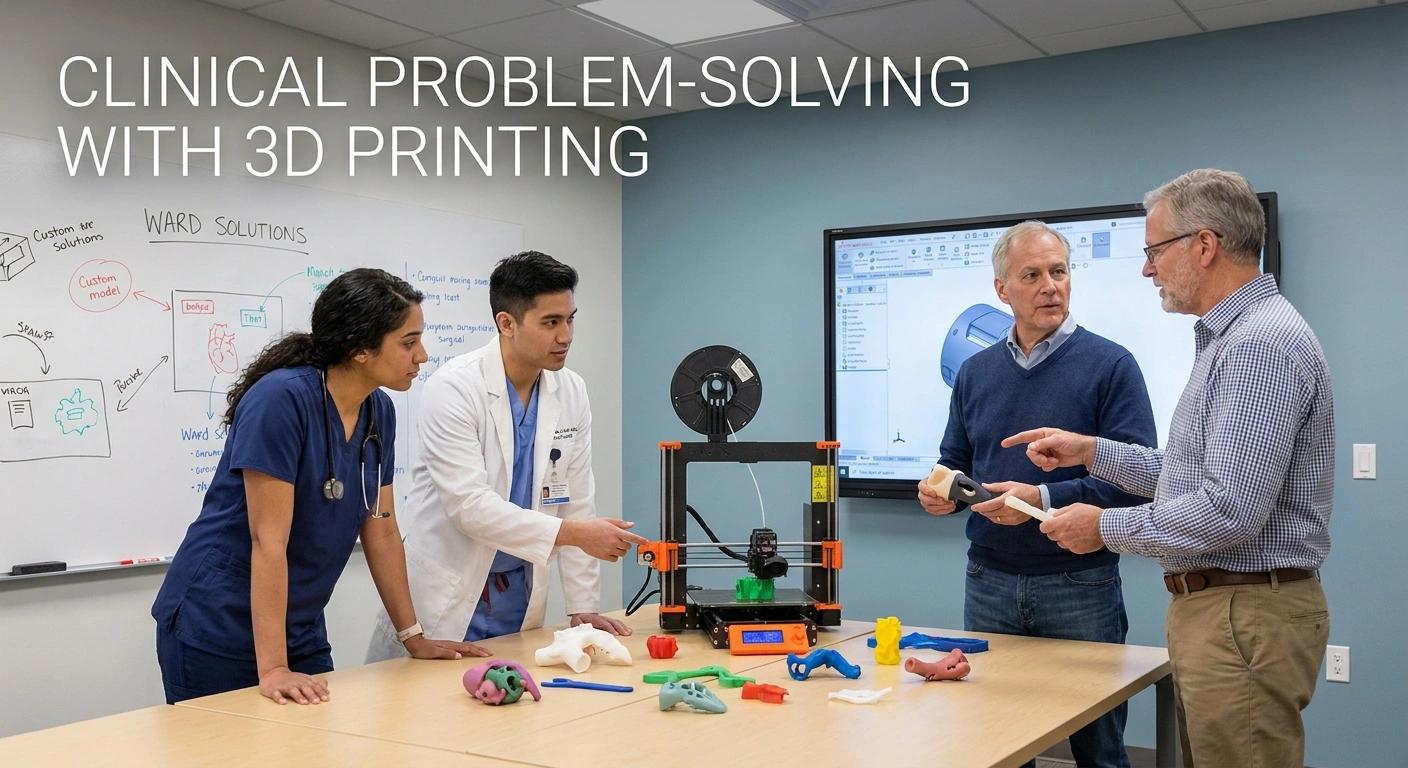
Imagine you’re on your surgery posting in a busy government hospital and the surgeon asks you to create a model of a complex fracture for…

In a typical clinical day, things move quickly. Doctors are constantly switching between patient interactions, documentation, and administrative requirements. There isn’t much room for anything…
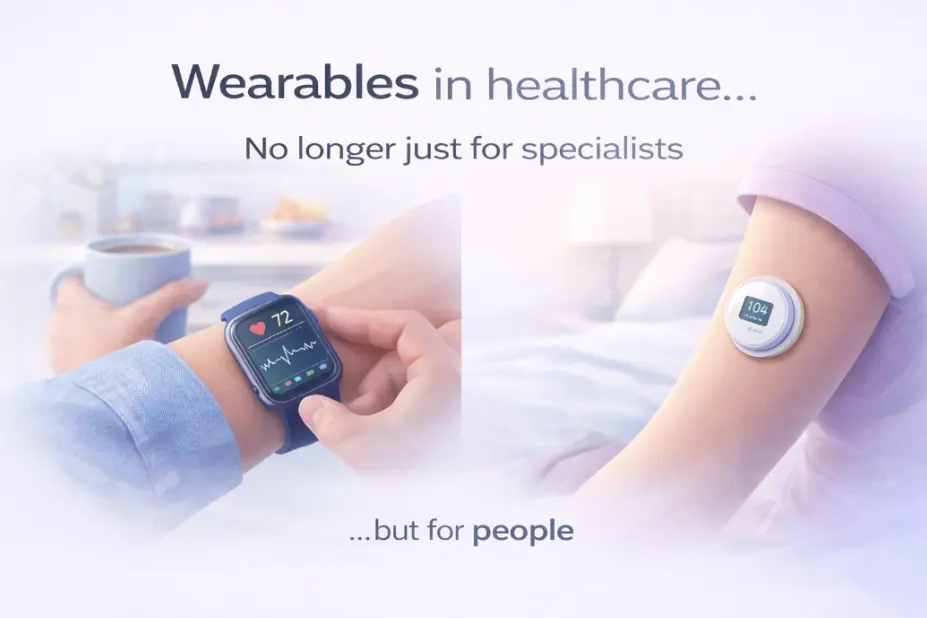
For decades, healthcare innovation has been driven by engineering — faster machines, more precise diagnostics, advanced treatments. But a quiet shift is underway.The future of…
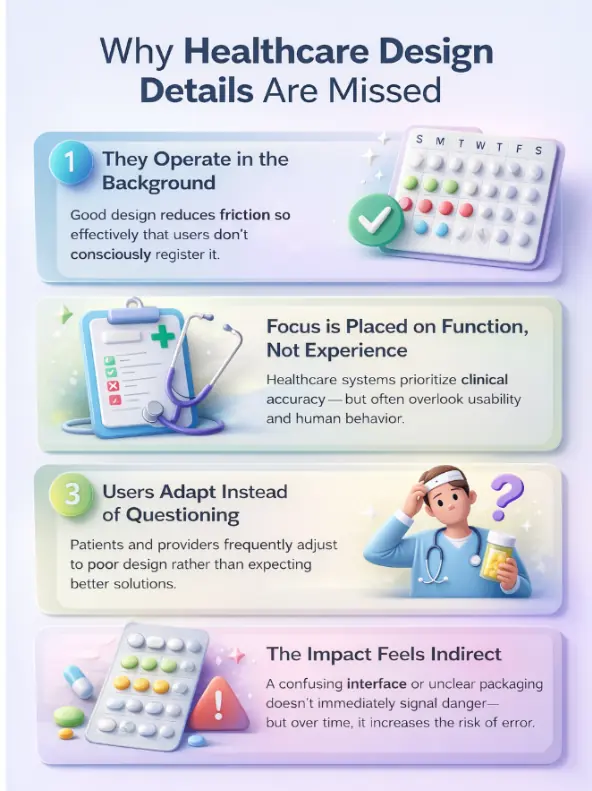
Most people don’t notice design in healthcare.Not because it isn’t there — but because when it works well, it becomes invisible.From the layout of a…

In medical device design, functionality alone is not enough. A device may be technically accurate, well-engineered, and compliant with regulations but if it is not…
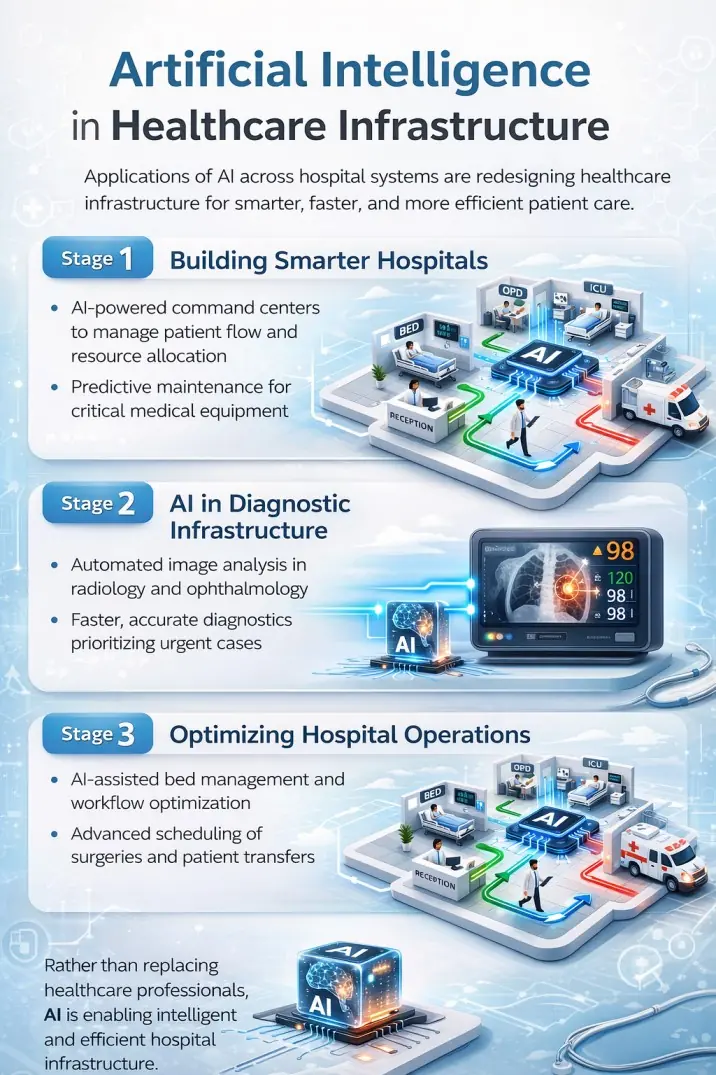
Artificial Intelligence in Healthcare Infrastructure: A Complete Guide to AI-Powered Smart Hospitals
Hospitals today are complex ecosystems. From emergency departments and diagnostic labs to patient wards and administrative systems, every function generates large volumes of data. Managing…
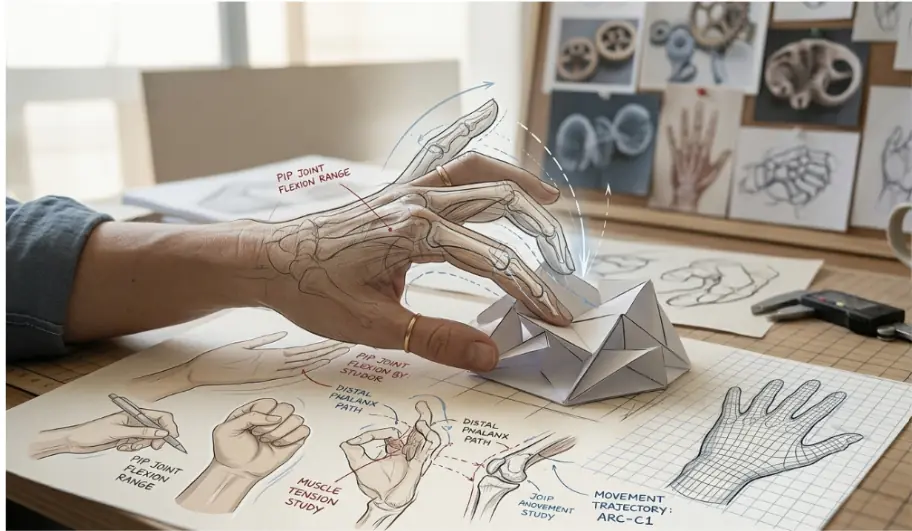
In healthcare design, solutions rarely begin with technology. They begin with observation. A simple movement like closing your hand into a fist is something most…
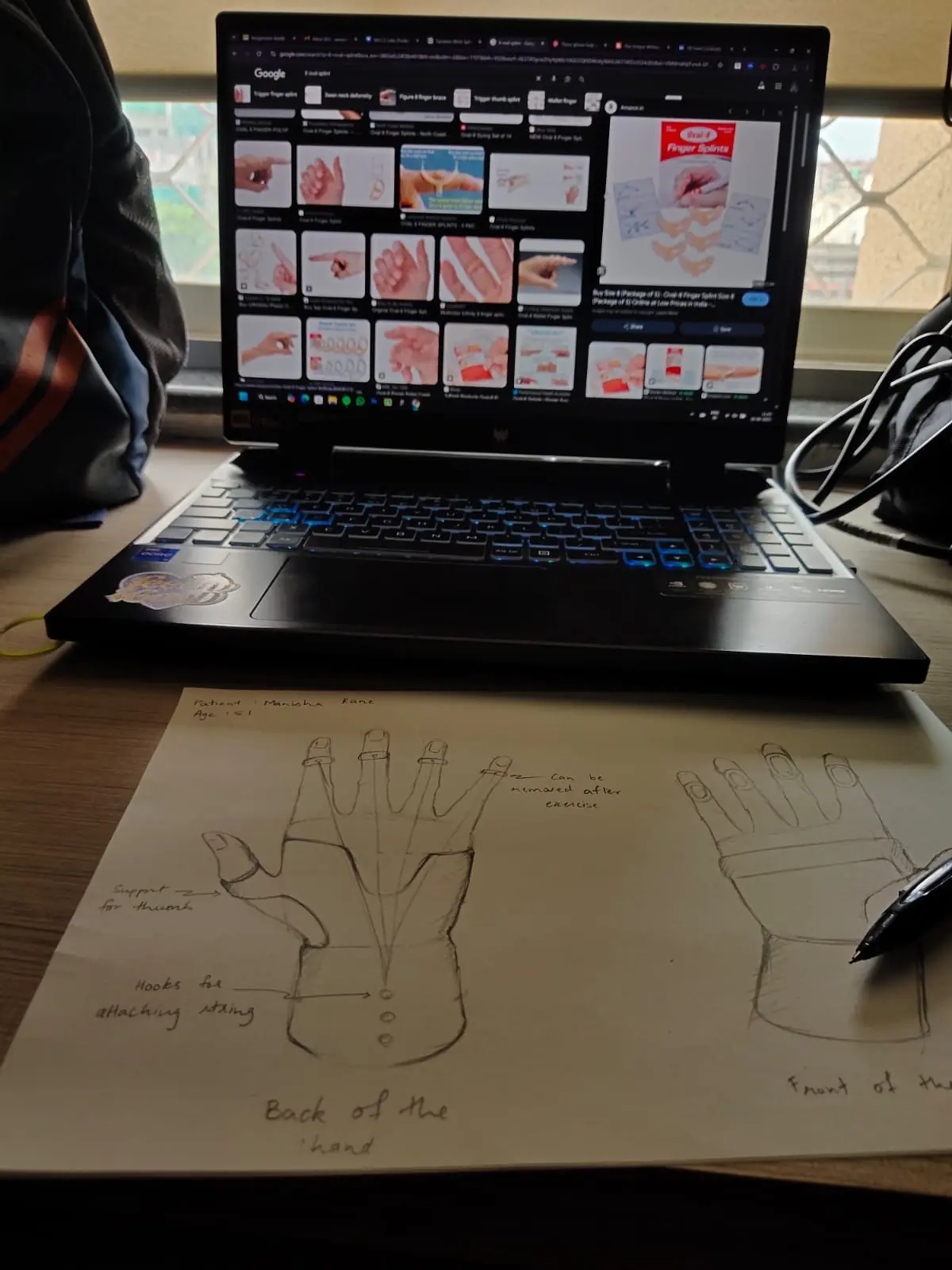
Most of us rarely think about the small movements our hands make every day. These everyday actions feel effortless, but they rely on something essential,…
Large hospitals are often complex ecosystems. Multiple buildings, specialized departments, diagnostic centers, laboratories, wards, and administrative offices are spread across large campuses. For patients and…
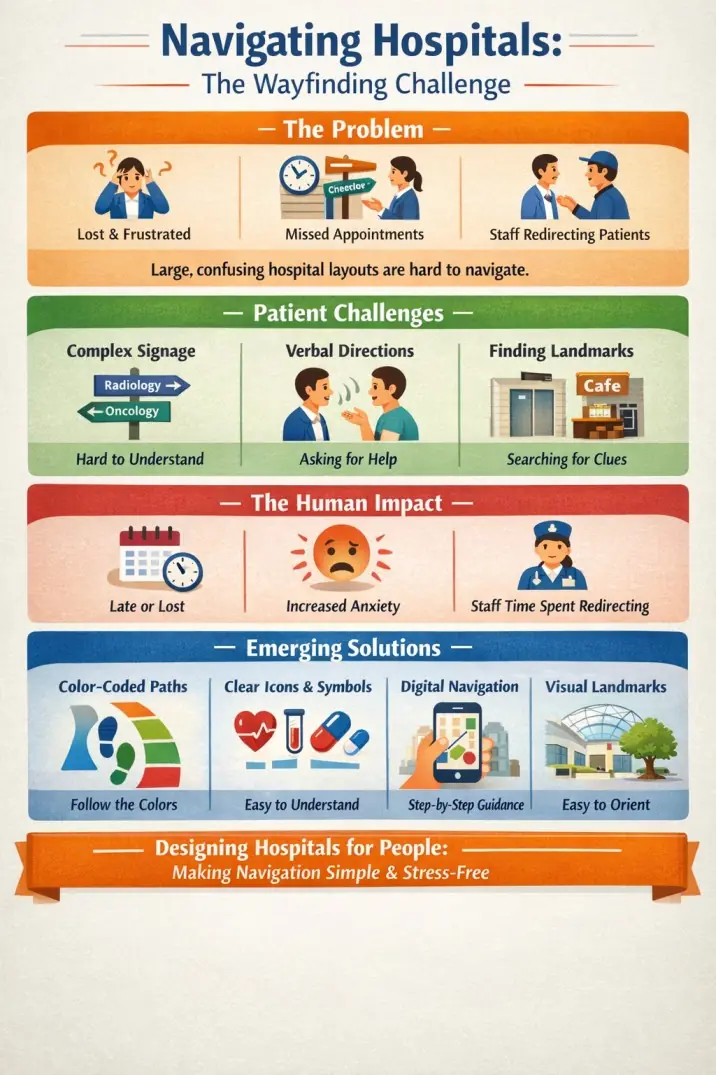
Hospitals are designed to deliver care, but navigating them can be surprisingly difficult. For many patients, especially those visiting large hospitals for the first time,…