
In a typical clinical day, things move quickly. Doctors are constantly switching between patient interactions, documentation, and administrative requirements. There isn’t much room for anything that slows that flow down.
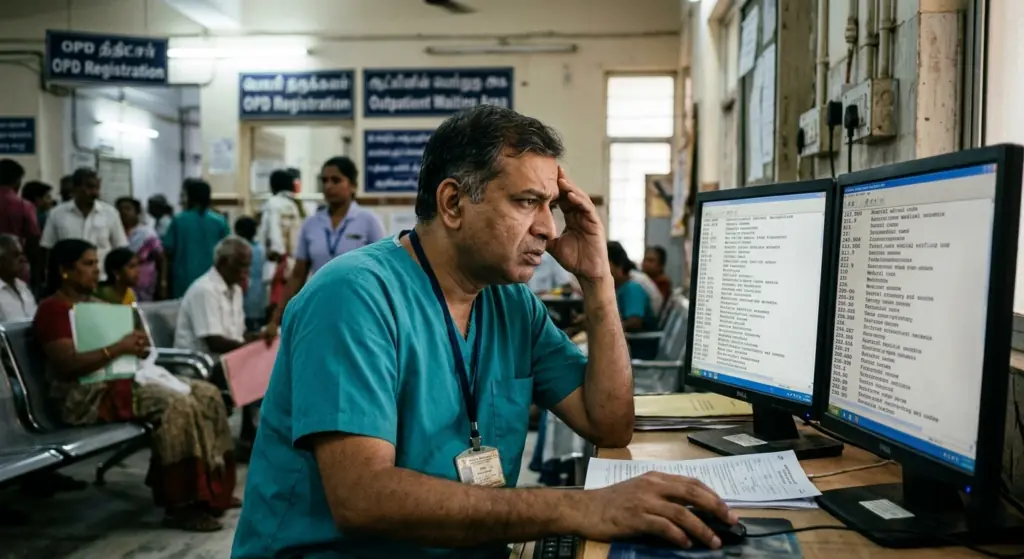
Now consider something as simple as finding a medical code.
In systems connected to schemes like Mahatma Jyotirao Phule Jan Arogya Yojana and Pradhan Mantri Jan Arogya Yojana, coding is a routine part of the workflow. It is required for approvals, billing, and documentation. But the process of actually finding the right code often is not smooth.
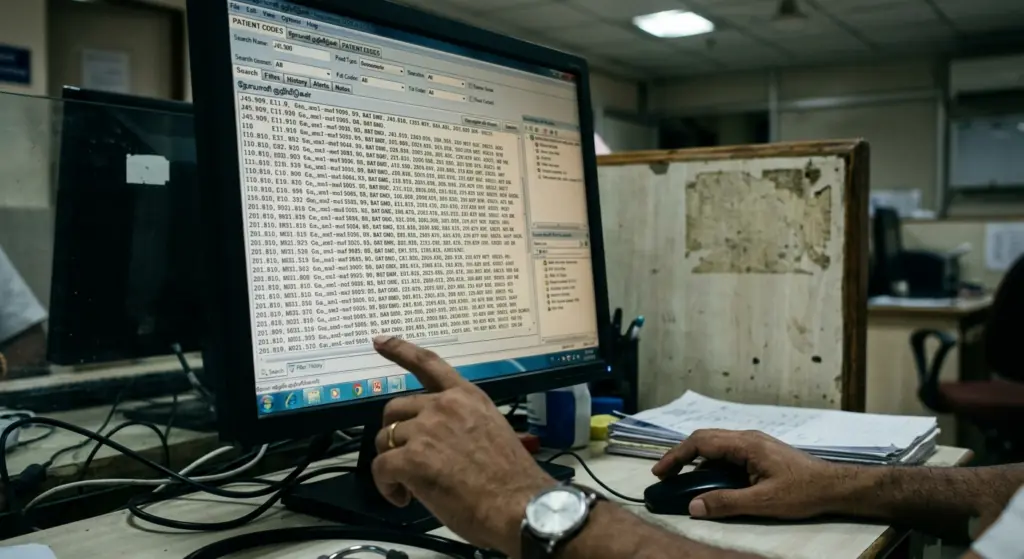
Doctors usually have to go through long lists, try multiple search terms, or navigate systems that are not designed for speed. It is not a major blocker, but it is not seamless either.
So what happens? A small pause. A quick break in concentration. Maybe a slight delay before moving to the next step. Individually, it does not seem like much. But across dozens of patients in a day, these small interruptions start to add up. They increase cognitive load and make already busy workflows feel more fragmented.
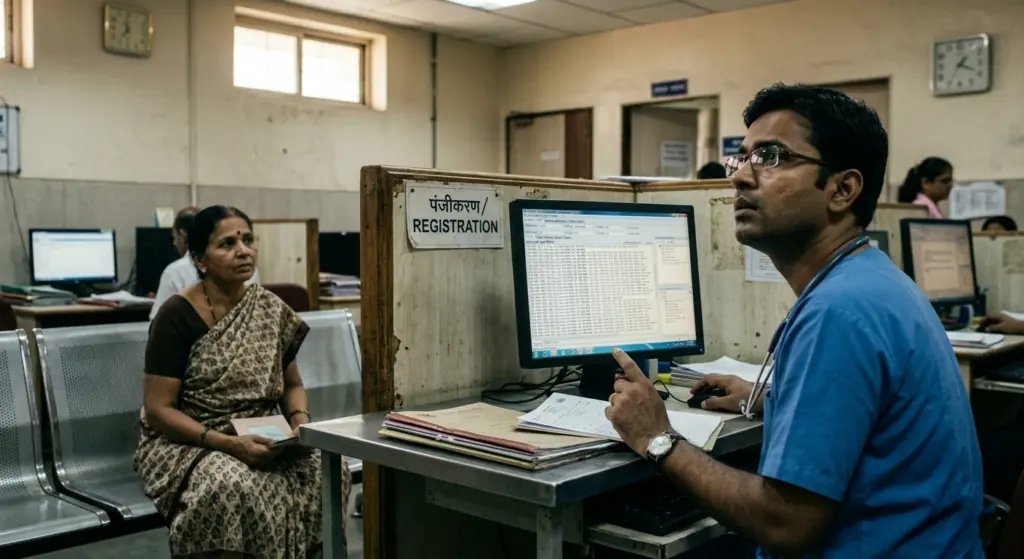
The issue is not access to information. The codes are there. The issue is how easily that information can be retrieved when it is needed.
That is where design becomes important. Instead of adding more features or complexity, the focus shifts to reducing friction and making common tasks faster and more intuitive.
Yojana Sahayak came from this line of thinking. It looks at one specific problem, medical code search, and asks how it can be made quicker and more aligned with how doctors actually work.
Because in healthcare, even small improvements in everyday tasks can make a noticeable difference over time.
#Patientdata #Medical #outcomes #HMIS #MJPJAY #PMJAY #Health #Schemes #Hospitals #MedTech #Innovation