
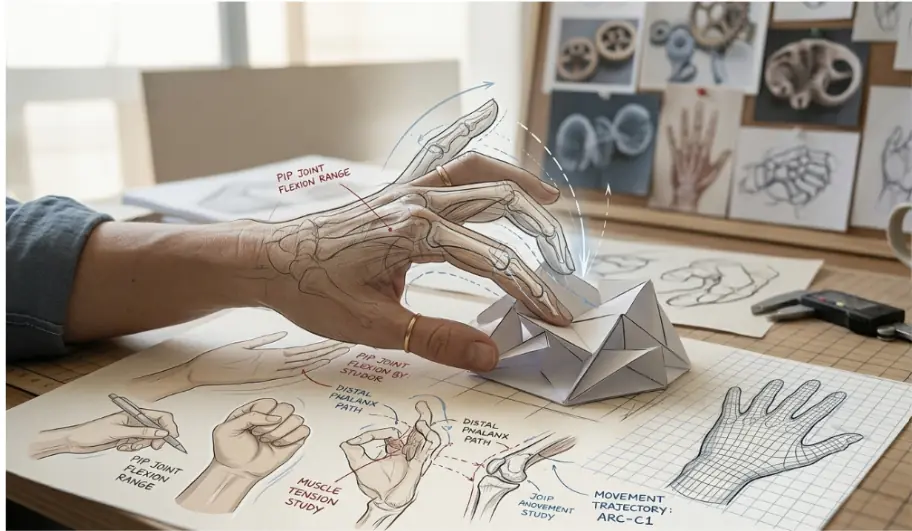
In healthcare design, solutions rarely begin with technology. They begin with observation. A simple movement like closing your hand into a fist is something most…
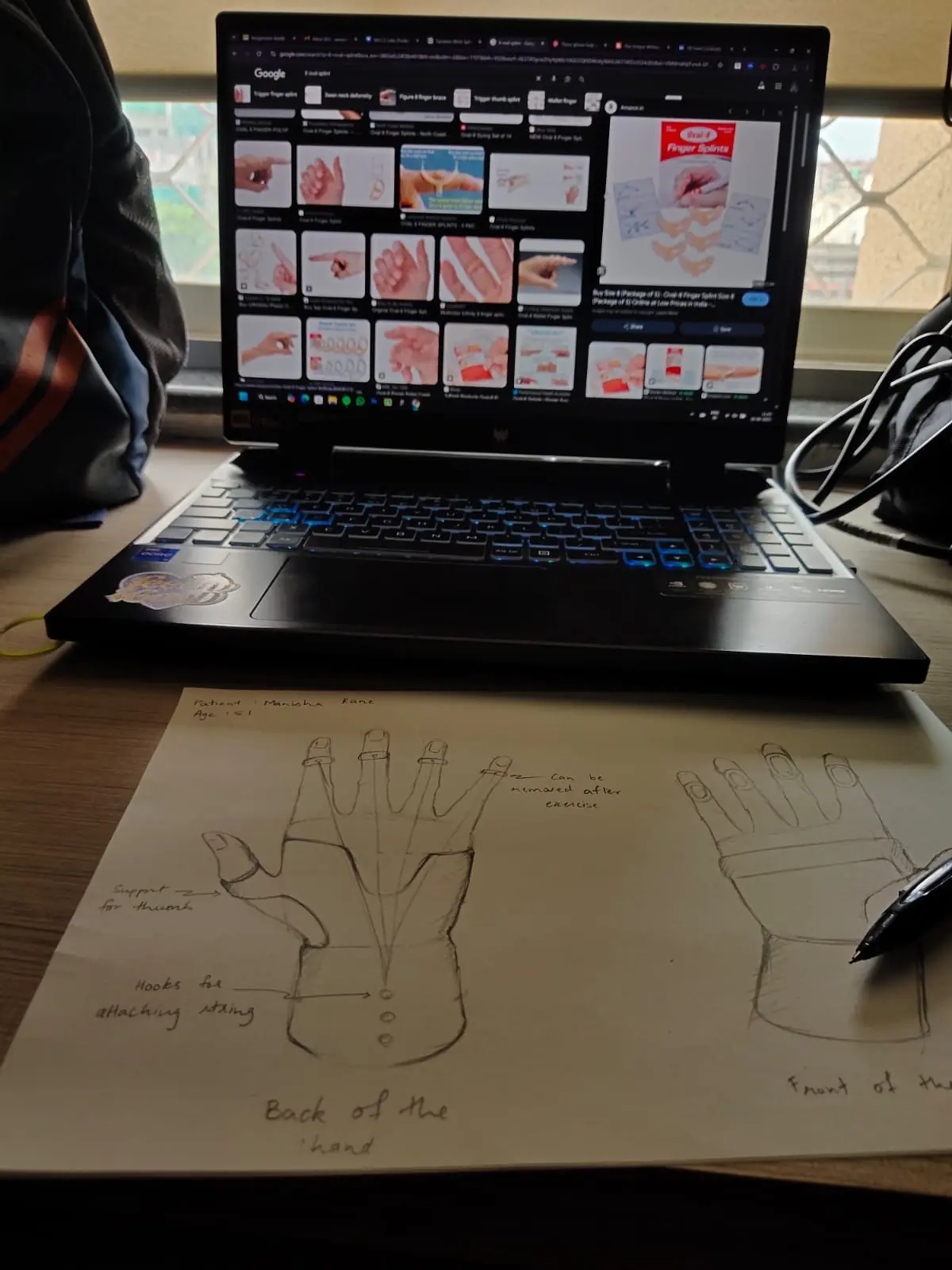
Most of us rarely think about the small movements our hands make every day. These everyday actions feel effortless, but they rely on something essential,…
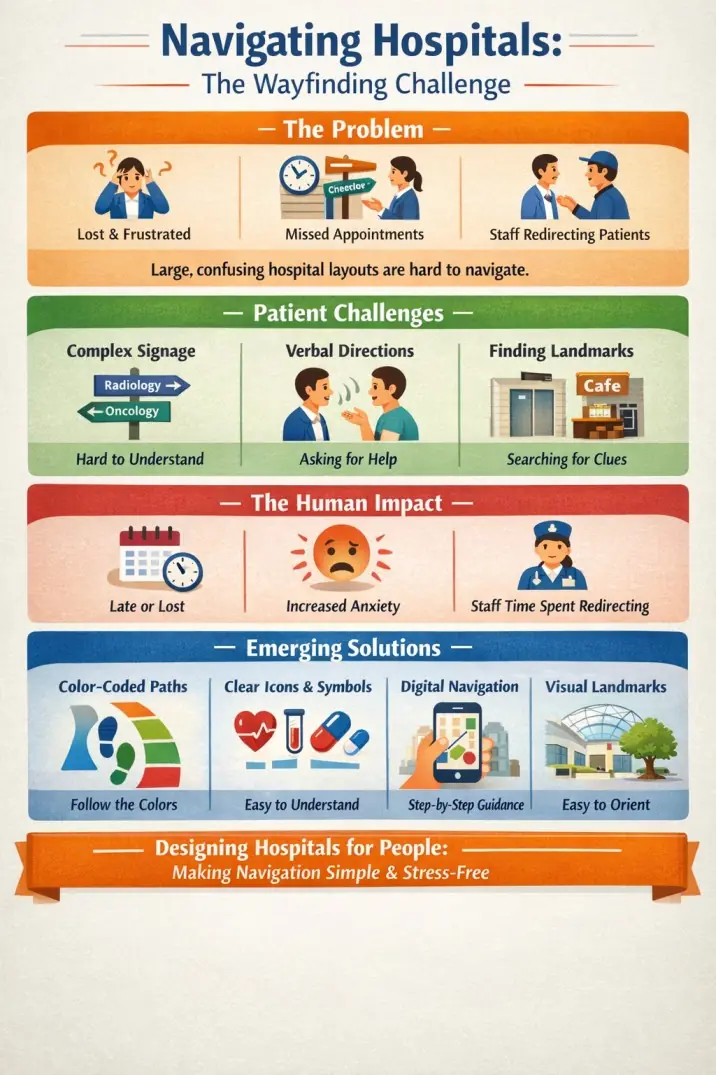
Hospitals are designed to deliver care, but navigating them can be surprisingly difficult. For many patients, especially those visiting large hospitals for the first time,…
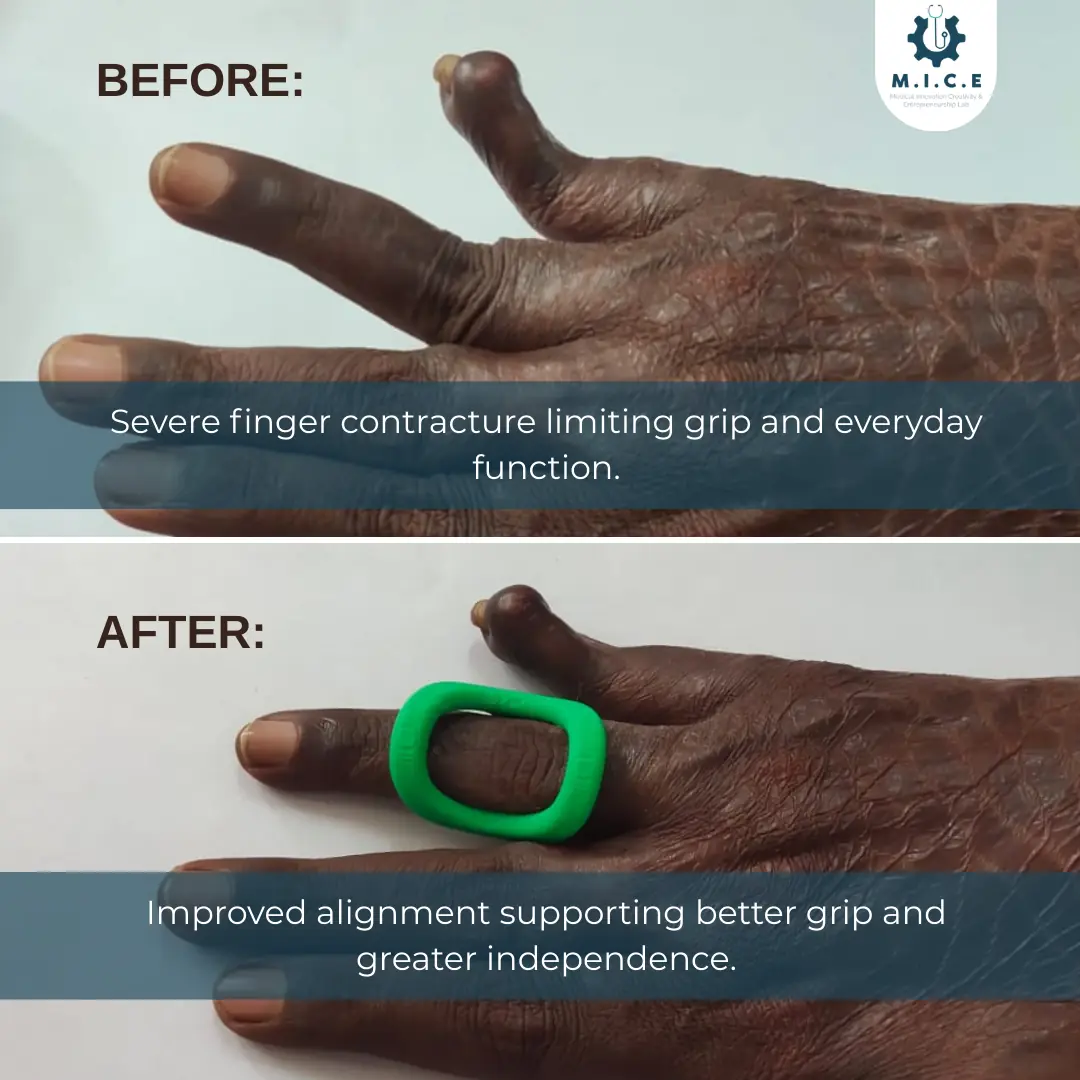
For Sunita, everyday tasks had quietly become exhausting.Living with HIV, she developed deformities in the Proximal Interphalangeal (PIP) Joint and Distal Interphalangeal (DIP) joints of…

Designing a study is intellectually exciting. Collecting clean, usable data in a busy hospital is where most projects struggle. Poor documentation, missing values, inconsistent measurements,…

After designing your pilot study, the next milestone is drafting a formal research protocol. Many clinicians delay projects at this stage because protocol writing feels…

Once you have a clear research question, the next logical step is not a large randomized trial; it is a small, manageable pilot study. Many…
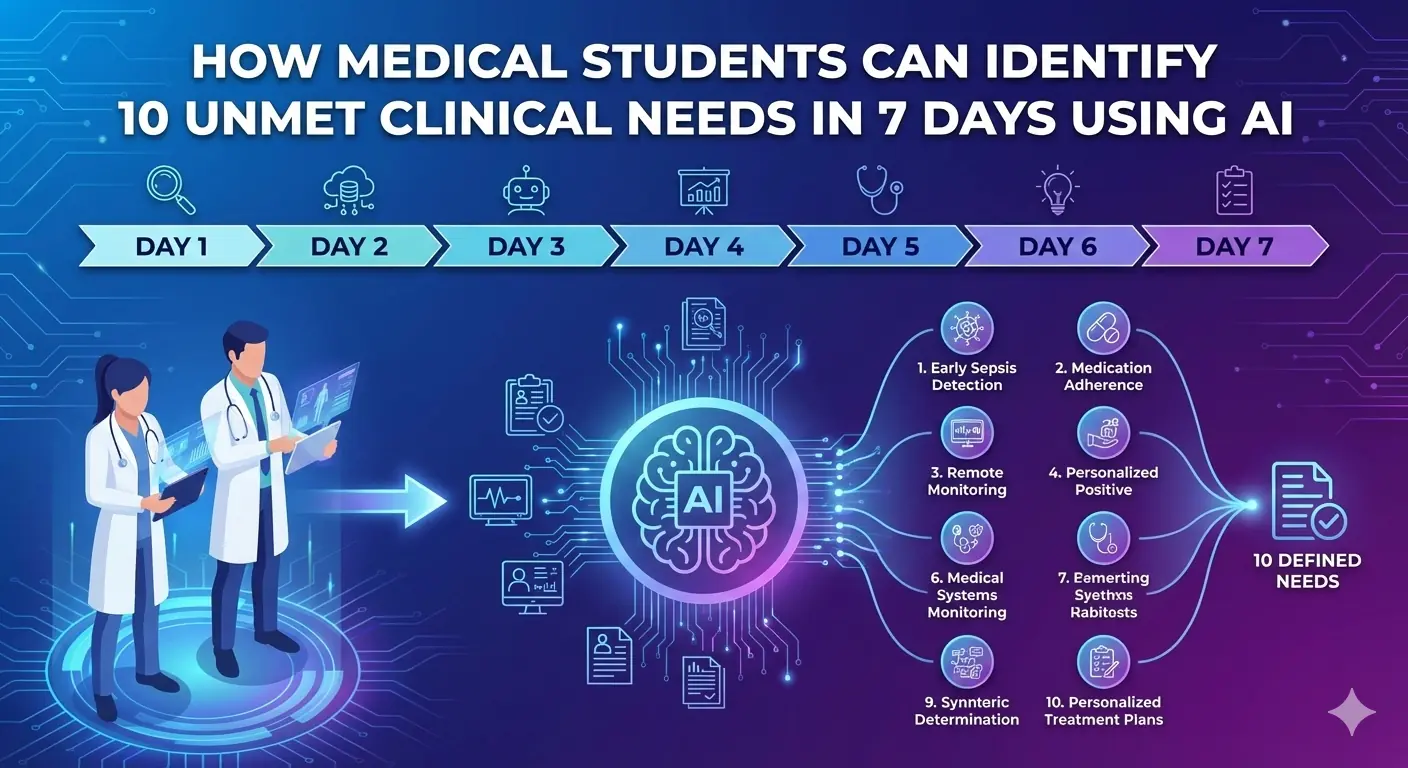
Medical students often believe innovation is reserved for senior doctors, researchers, or engineers. In reality, students are uniquely positioned to identify unmet clinical needs because…

Identifying an unmet clinical need is only the beginning. The real turning point in innovation happens when a vague problem is converted into a clear,…
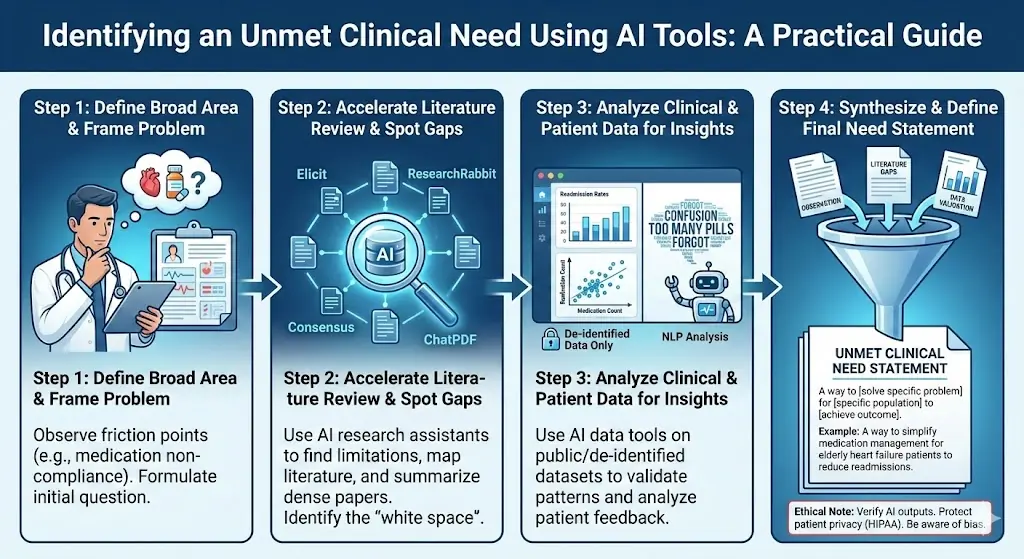
Identifying an unmet clinical need is the first and most critical step in medical innovation. Every day in hospitals, clinicians and students encounter delays, confusion,…