
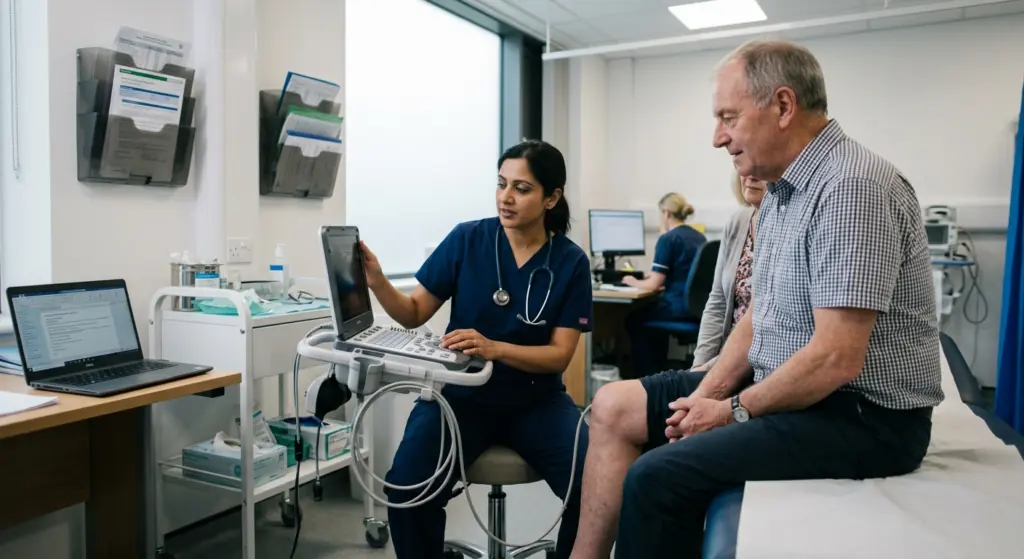
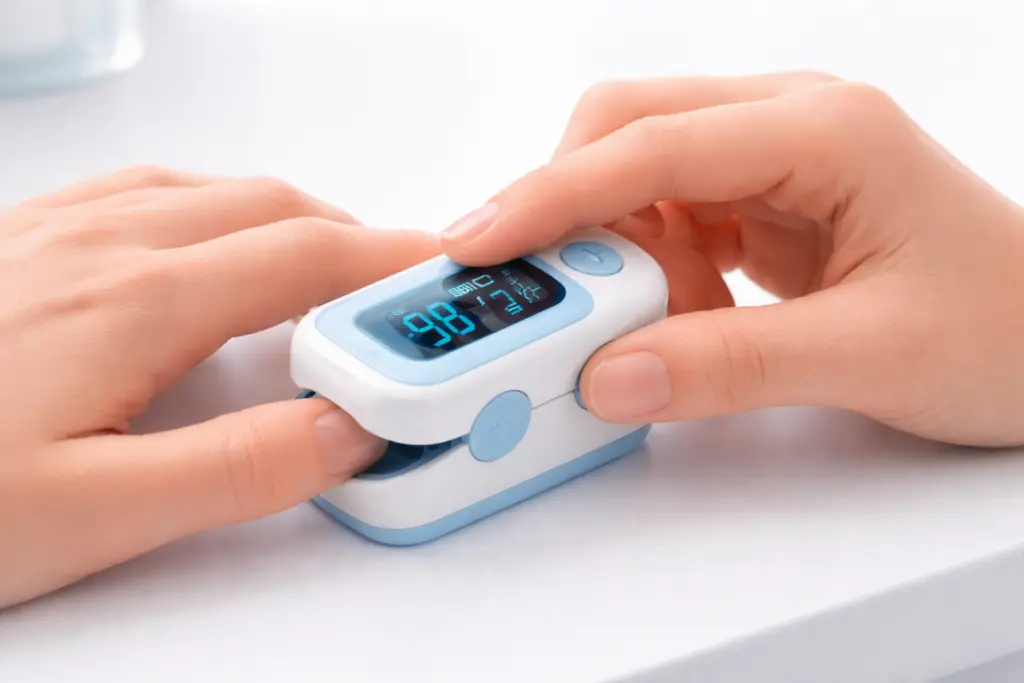
In medical device design, functionality alone is not enough. A device may be technically accurate, well-engineered, and compliant with regulations but if it is not usable, it can fail in the real world. Usability is what bridges the gap between a device and the person using it. In healthcare settings, devices are often used in high-pressure environments. Doctors, nurses, and even patients interact with them under time constraints, stress, and varying levels of expertise. In such conditions, even small usability issues can lead to confusion, inefficiency, or errors.
A device that is difficult to understand, uncomfortable to use, or unintuitive in its interaction can impact outcomes not because it doesn’t work, but because it doesn’t work well enough for the user. Good usability considers:
- How easily a user can understand the device
- How naturally it fits into existing workflows
- How comfortable and safe it feels during use
- How it performs in real-world, unpredictable conditions
Designing for usability means designing for reality not ideal scenarios. It requires observing how people actually interact with devices, identifying friction points, and continuously refining the experience.
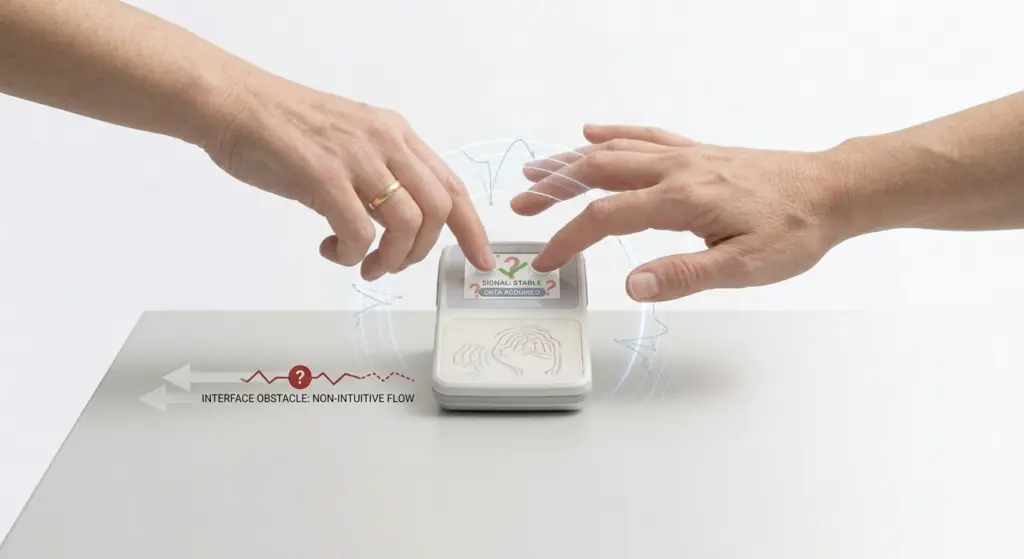
In assistive devices, usability becomes even more critical. These products are often used daily, over long durations, and directly impact independence and quality of life. A small improvement in comfort or ease of use can make a significant difference.
Ultimately, usability is not an added feature it is a core requirement. Because in medical design, success is not just defined by whether a device works, but by how well it works for the people who rely on it.
#VanquishingClinicalPeril #HumanFactorsEngineering #MedTechInnovation #MedicalDeviceDesign #PatientSafety #IntuitiveUX #HealthcareInnovation #ZeroHarm