
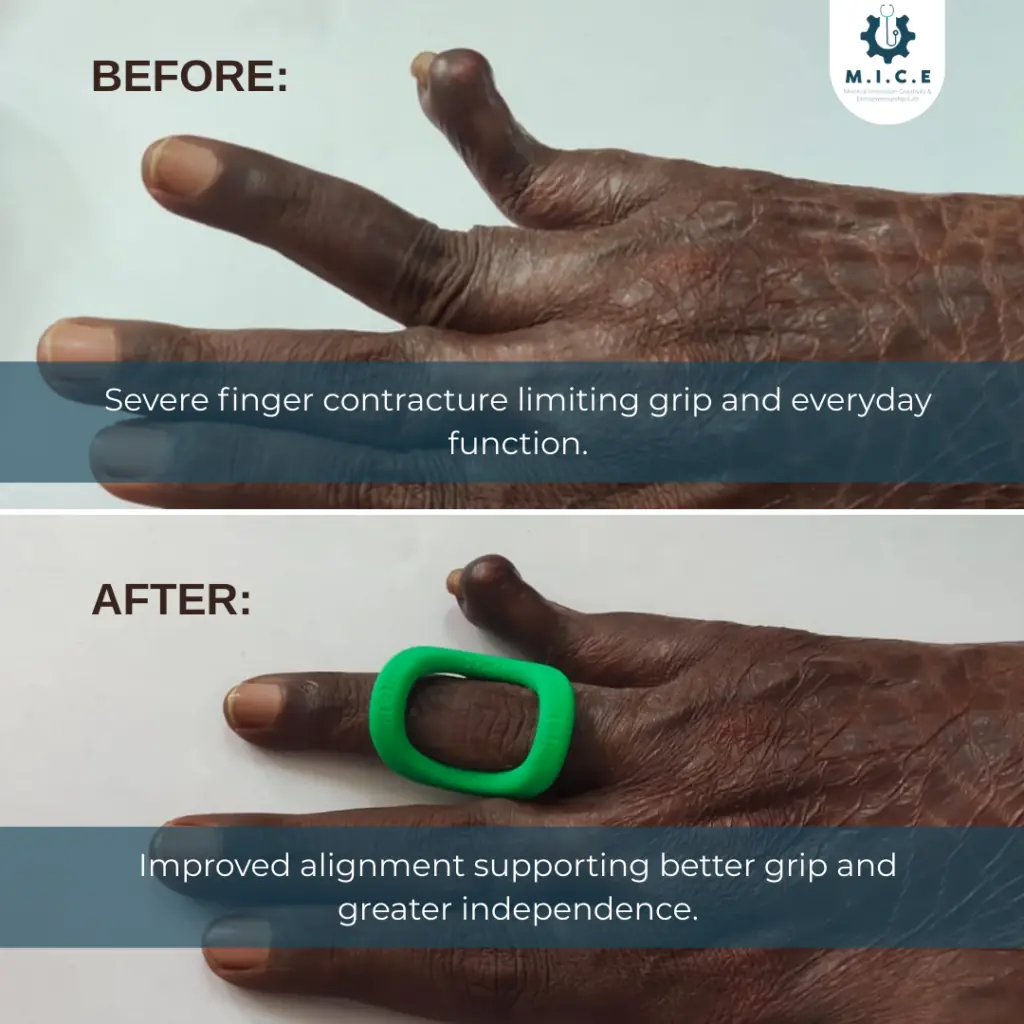
For Sunita, everyday tasks had quietly become exhausting.
Living with HIV, she developed deformities in the Proximal Interphalangeal (PIP) Joint and Distal Interphalangeal (DIP) joints of her fingers. Over time, her fingers could no longer straighten properly. Simple actions like holding a spoon, buttoning clothes, writing, or gripping objects became frustrating and painful.
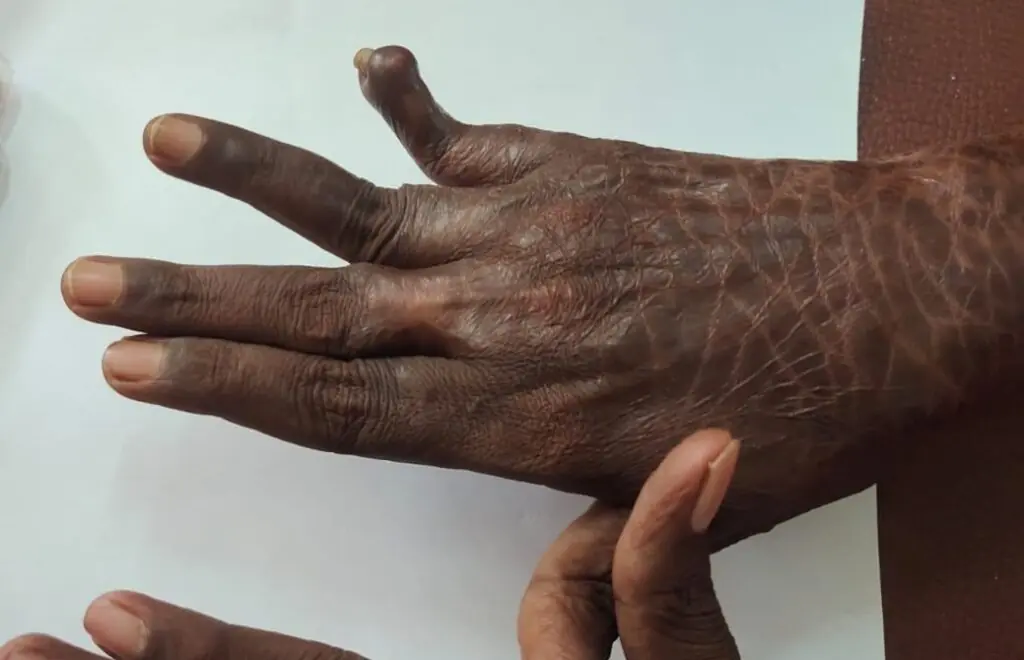
It wasn’t just about mobility. It was about independence.
Her fingers required stable external support to maintain alignment and prevent further deformity progression. The goal was not just correction, it was function.
After clinical evaluation, rigid 3D printed oval finger splints were designed specifically to realign and stabilize her affected joints. The rigid material was intentionally chosen to provide firm support, preventing hyperextension and maintaining proper positioning throughout daily activities.
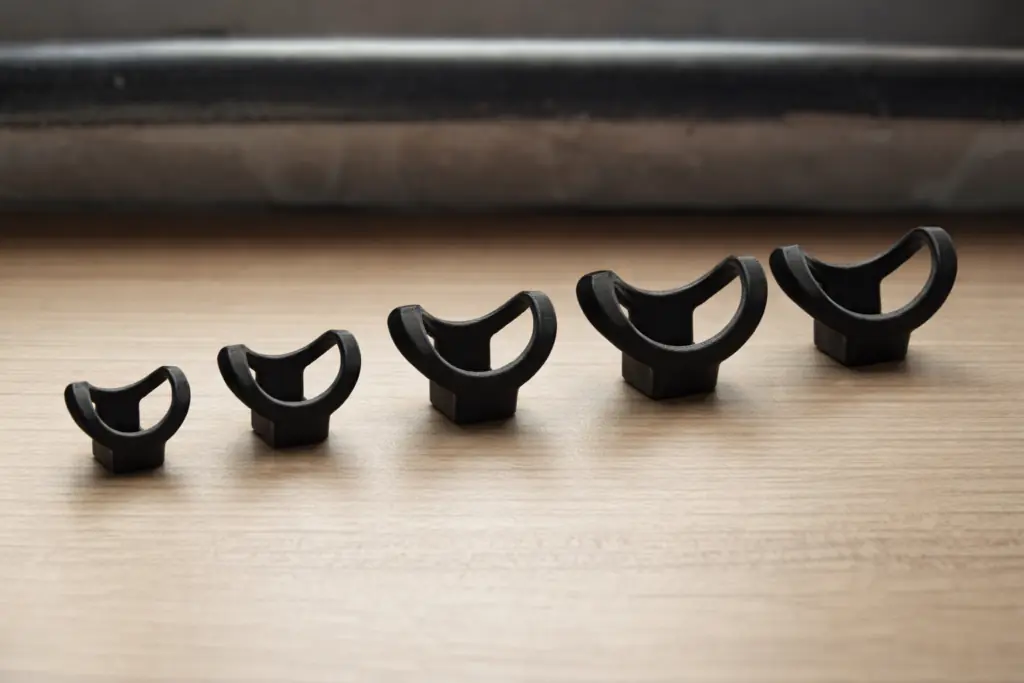
Unlike bulky traditional splints, these were lightweight, precise, and tailored to her anatomy. The change was gradual but meaningful.
With consistent use, Sunita was able to:
- Improve finger alignment
- Perform daily tasks with better grip control
- Experience reduced strain during activities
- Regain confidence in using her hands
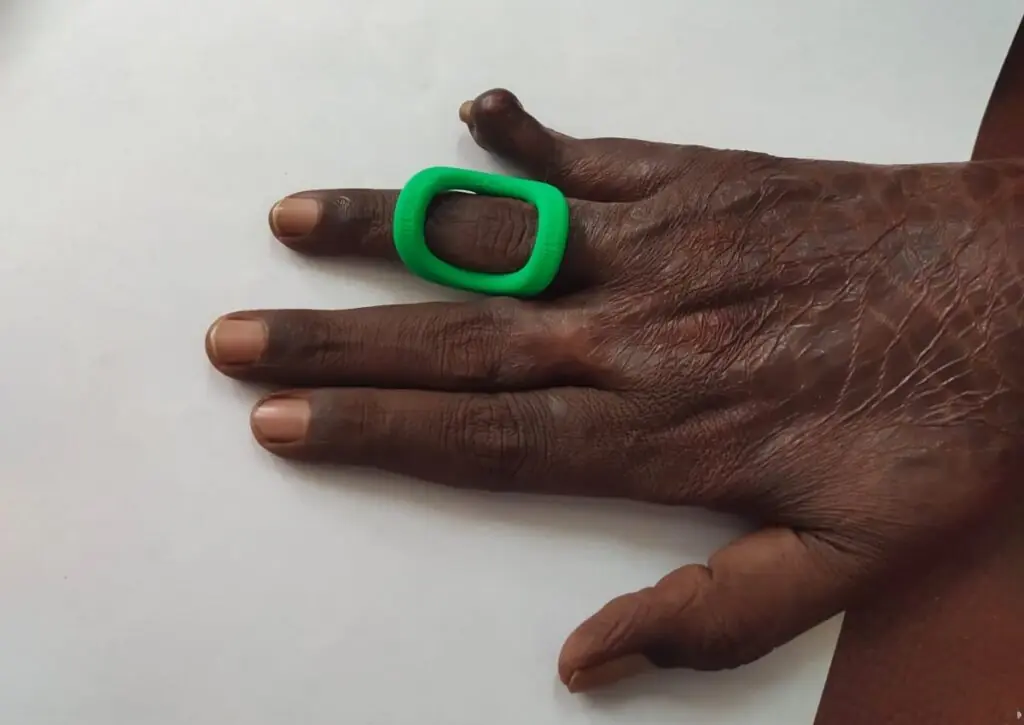
What stood out most was not just the mechanical correction, it was the psychological shift. Being able to independently manage small tasks restored a sense of dignity and autonomy.
This case highlights an important truth in rehabilitation:
Sometimes, the right material and the right design can quietly transform daily life. Behind every splint is not just engineering but a patient reclaiming function.
#3DMedicalPrinting #DigitalHealth2026 #MedTech #AdaptiveDesign #PersonalizedMedicine #3DScanning #HealthTechRevolution #JointReconstruction #FutureOfHealthcare #SmartSplints