
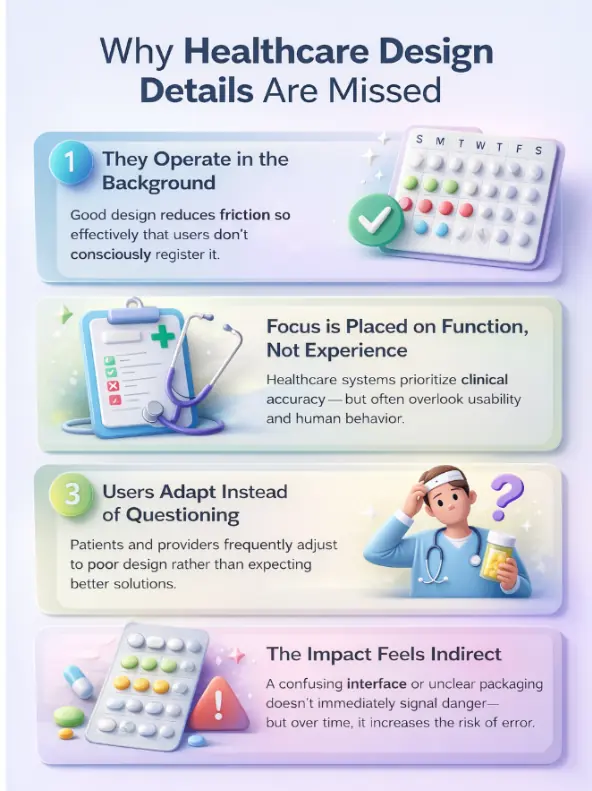
Most people don’t notice design in healthcare.Not because it isn’t there — but because when it works well, it becomes invisible.From the layout of a…

PULSE 2026 was not only a platform for learning and exposure but also an opportunity to validate innovation through competition. Among the many promising ideas…
After a day focused on understanding the landscape of healthcare innovation, Day 2 at PULSE 2026 shifted towards experiential learning. It was less about listening…
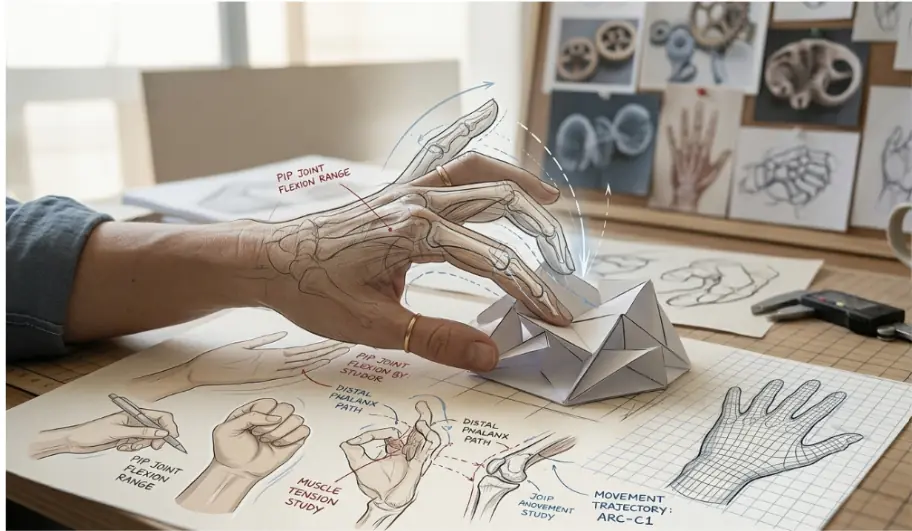
In healthcare design, solutions rarely begin with technology. They begin with observation. A simple movement like closing your hand into a fist is something most…
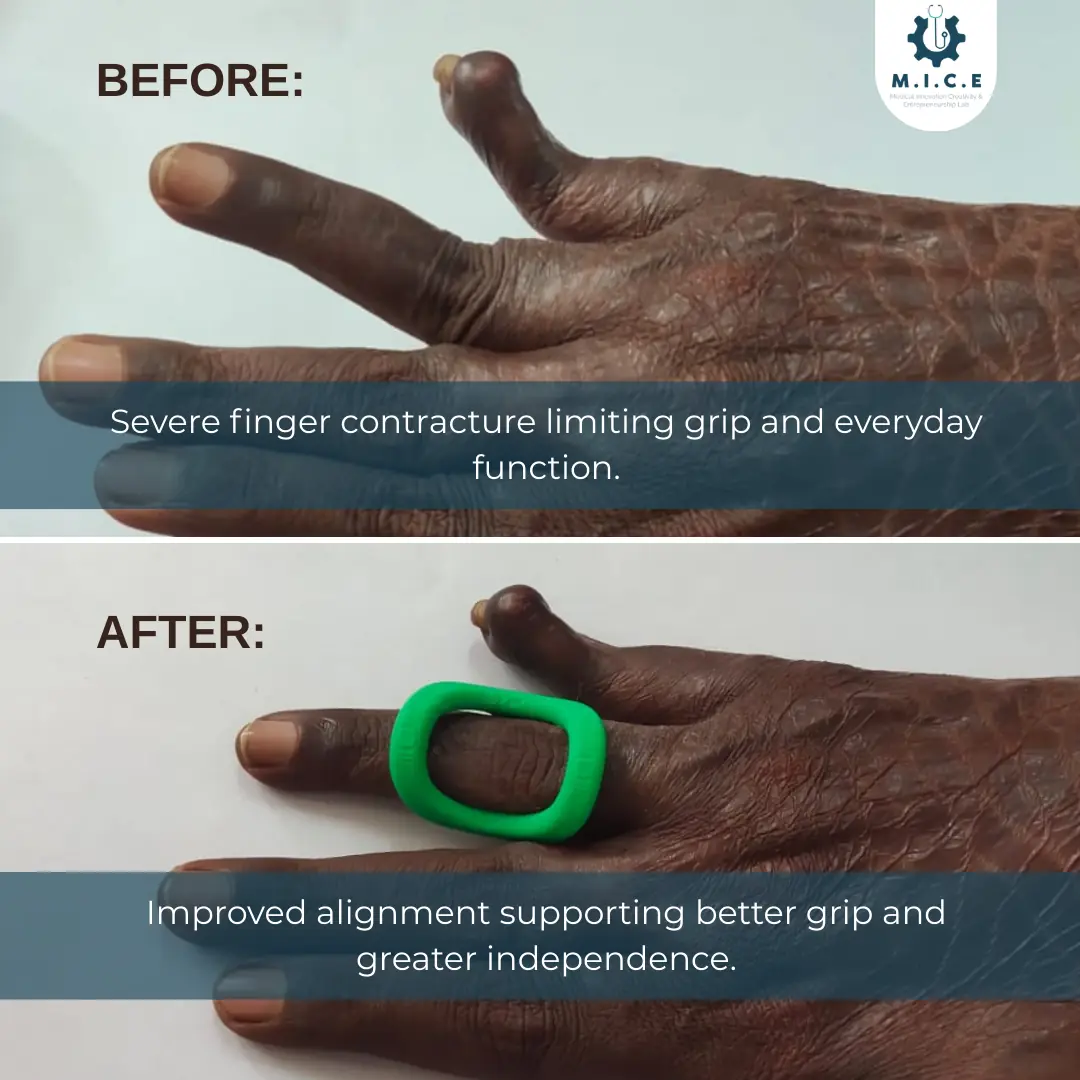
For Sunita, everyday tasks had quietly become exhausting.Living with HIV, she developed deformities in the Proximal Interphalangeal (PIP) Joint and Distal Interphalangeal (DIP) joints of…
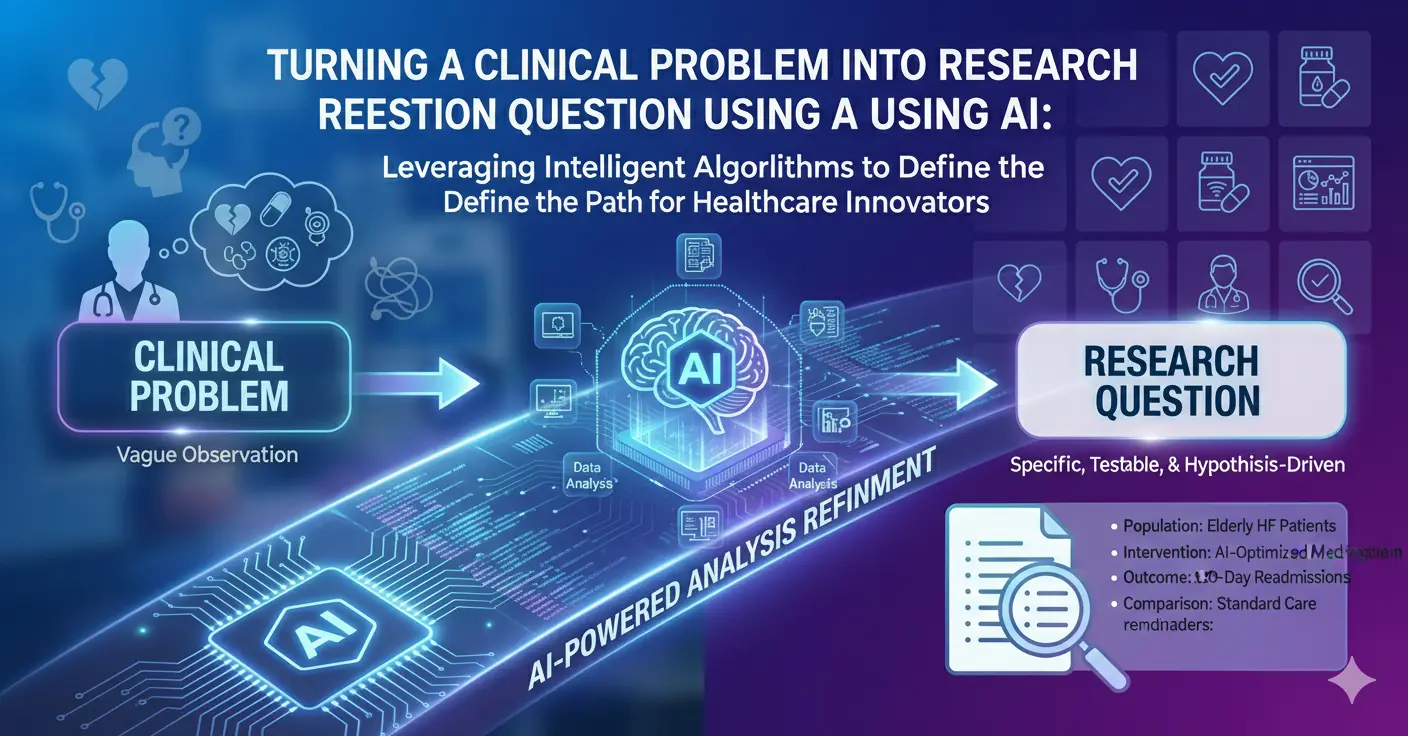
Identifying a problem is powerful. But unless that problem is converted into a structured research question, it remains an idea. Many clinicians struggle at this…
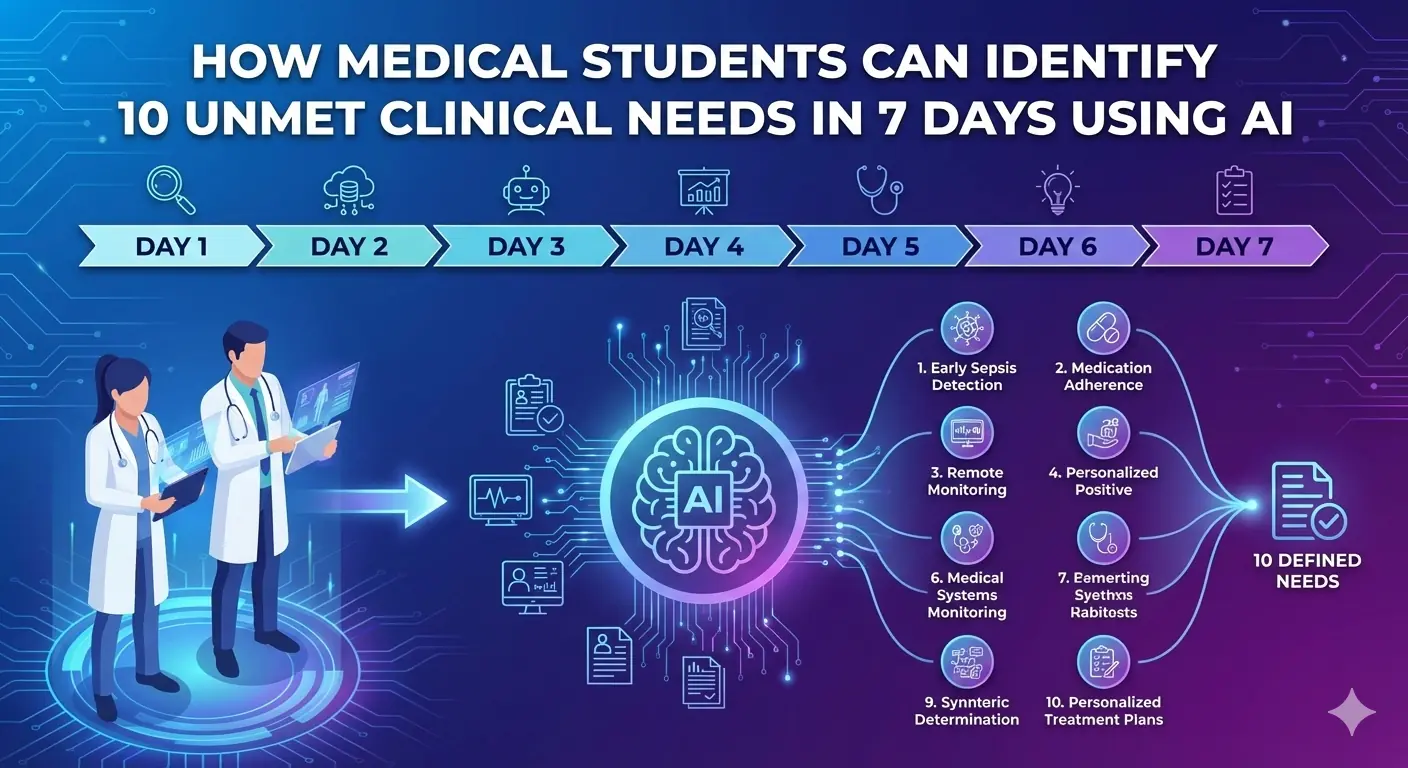
Medical students often believe innovation is reserved for senior doctors, researchers, or engineers. In reality, students are uniquely positioned to identify unmet clinical needs because…

Identifying an unmet clinical need is only the beginning. The real turning point in innovation happens when a vague problem is converted into a clear,…
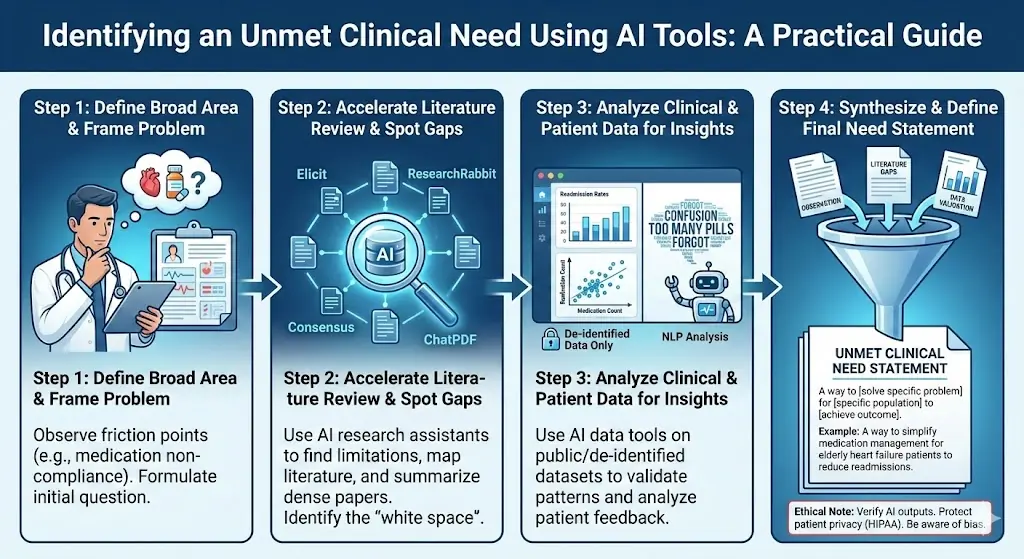
Identifying an unmet clinical need is the first and most critical step in medical innovation. Every day in hospitals, clinicians and students encounter delays, confusion,…
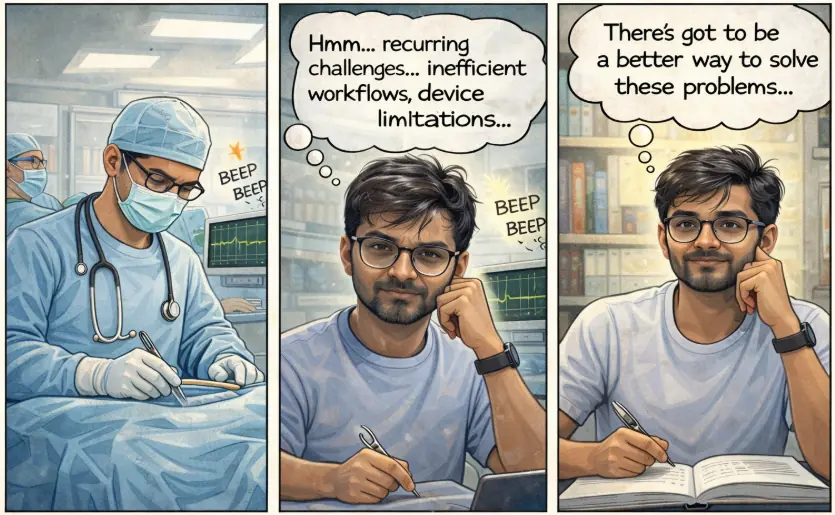
The journey into innovation is rarely linear, especially for clinicians. It often begins not with formal intent, but with curiosity shaped by daily exposure to…